
Vietnam industrial and commercial energy storage | night charge day discharge – HELIST
Vietnam’s electricity prices have entered the “refined time-of-use” era, presenting a golden window for energy storage. Starting from May 10, 2025, Vietnam has officially implemented a 5-tier time-of-use electricity price (5-tier TOU) for industrial and commercial users with a capacity of over 40 kVA, dividing each day into five periods: peak, two peaks, normal, and off-peak. Among them:
Peak electricity price (17:00-20:00) ≈ 3,967 VND/kWh(≈$0.15/kWh) (180%)
Off-peak electricity price (22:00-06:00) ≈ 1,322 VND/kWh (≈$0.05/kWh)(60%)
The price difference is as high as 3.0 times
This mechanism has created the clearest and most stable arbitrage window for user-side energy storage in Southeast Asia.
HELIST has specially designed a modular LFP energy storage system for high-energy-consuming factories in Vietnam. It adopts an intelligent dispatching strategy of “one charge and two discharge” – without changing production habits, it can significantly reduce electricity expenses, achieving an annual savings of 30-35%, with an investment payback period of 4-5 years.

I.Detailed Explanation of Vietnam’s 5-Segment TOU Electricity Price Mechanism (Effective from May 2025)
Table: Typical 5-segment TOU Electricity Price Structure in Vietnam (Source: EVN & MOIT Circular 13/2025/TT-BCT)
| Time Category | Time Range | Electricity Price Multiple | Reference Electricity Price(VND/kWh) | =(USD/kWh) |
| Peak | 5:00 PM – 8:00 PM | 180% | ≈3,967 | ≈0.15 |
| Peak 1 | 09:30AM – 11:30AM | 140% | ≈3,086 | ≈0.12 |
| Peak 2 | 1:00 PM – 5:00 PM | 140% | ≈ 3,086 | ≈0.12 |
| Normal | 6:00 AM – 9:30 AM
11:30 AM – 1:00 PM 8:00 PM – 10:00 PM |
100% | ≈ 2,204 | ≈0.08 |
| Low point | 10:00 PM – 6:00 AM (next day) | 60% | ≈ 1,322 | ≈0.05 |
Note: Applicable to industrial and commercial users with a voltage of ≥22 kV and >40 kVA; The electricity prices in the southern region (such as Ho Chi Minh City and Dong Nai) are the most representative.
II. How does “one charge, two discharge” work?
HELIST energy storage systems, based on the real electricity price structure, optimize charging and discharging strategies, avoid normal electricity price periods, and focus on high-price Windows
Charging stage: Nighttime off-peak period (22:00-06:00)
Charge at the lowest electricity price (≈1,322 VND/kWh)/(≈$0.05/kWh)
The charging window lasts up to 8 hours and can fully charge large-capacity LFP batteries (such as 1 MWh systems).
Discharge Phase 1:
Morning peak (09:30 – 11:30)Replace 140% of high-priced electricity (≈3,086 VND/kWh)/(≈$0.12/kWh)
Cover key electricity consumption such as the start of early shift production and the increase in air conditioning load
Discharge Stage 2:
Afternoon to evening combination peak (13:00-20:00)
13:00-17:00: Dealing with the second peak (140%)
17:00-20:00: Fully cover the peak (180%, ≈3,967 VND/kWh)/(≈$0.15/kWh)
Continuous 7-hour high-power discharge ensures stable operation of production lines during overtime or continuous production
💡 Intelligent EMS dynamic dispatching: The system automatically identifies the real-time load of the factory and suspends discharge from 11:30 to 13:00 (normal electricity price) to avoid “replacing cheap electricity with expensive electricity” and maximize arbitrage efficiency.
III.Compliance Deployment: How can user-side energy storage successfully land in Vietnam?(Updated in 2026)
In Vietnam, although user-side energy storage is not regarded as a power generation facility, it can be legally deployed as long as it is declared for renovation as an electricity consumption facility in accordance with the regulations.
1. Application Process (Non-power generation approval)
-Submission of technical documents to local distribution companies, such as EVN HCMC, to incorporate energy storage systems into the renovation scheme of electricity facilities
– The required materials usually include:
♦ System single-line diagram and electrical design
♦ Core device parameters (LFP battery, PCS, protection device)
♦ Power Quality Assessment Report (Recommended for projects of ≥500 kW)
– No power generation permits are required and no power purchase and sale agreements are involved
2. Operating mode: 100% self-generated and self-used to ensure long-term compliance
– Pure energy storage systems must not feed power back to the grid, and all charging and discharging must be completed on the user side
– If combined with the existing photovoltaic system, the energy storage can store the surplus electricity during the day and release it during the peak period in the evening. The surplus electricity directly generated by photovoltaic power can be settled at Net Metering 3.0 (approximately 85% of the retail electricity price for the current month).
3. Indirect support that can be sought
Green investment projects that meet the conditions can apply
– Corporate income tax reduction and exemption: Up to 4 years of tax exemption (subject to inclusion in the provincial encouraged investment directory)
– Import tariff preferences: LFP batteries, PCS, etc. that meet the MOIT Encouragement List (TT 27/2023) can apply for reduction or exemption
– Green Financing: VDB, Vietcombank, etc. offer low-interest ESG loans (energy efficiency or carbon emission assessment is required).
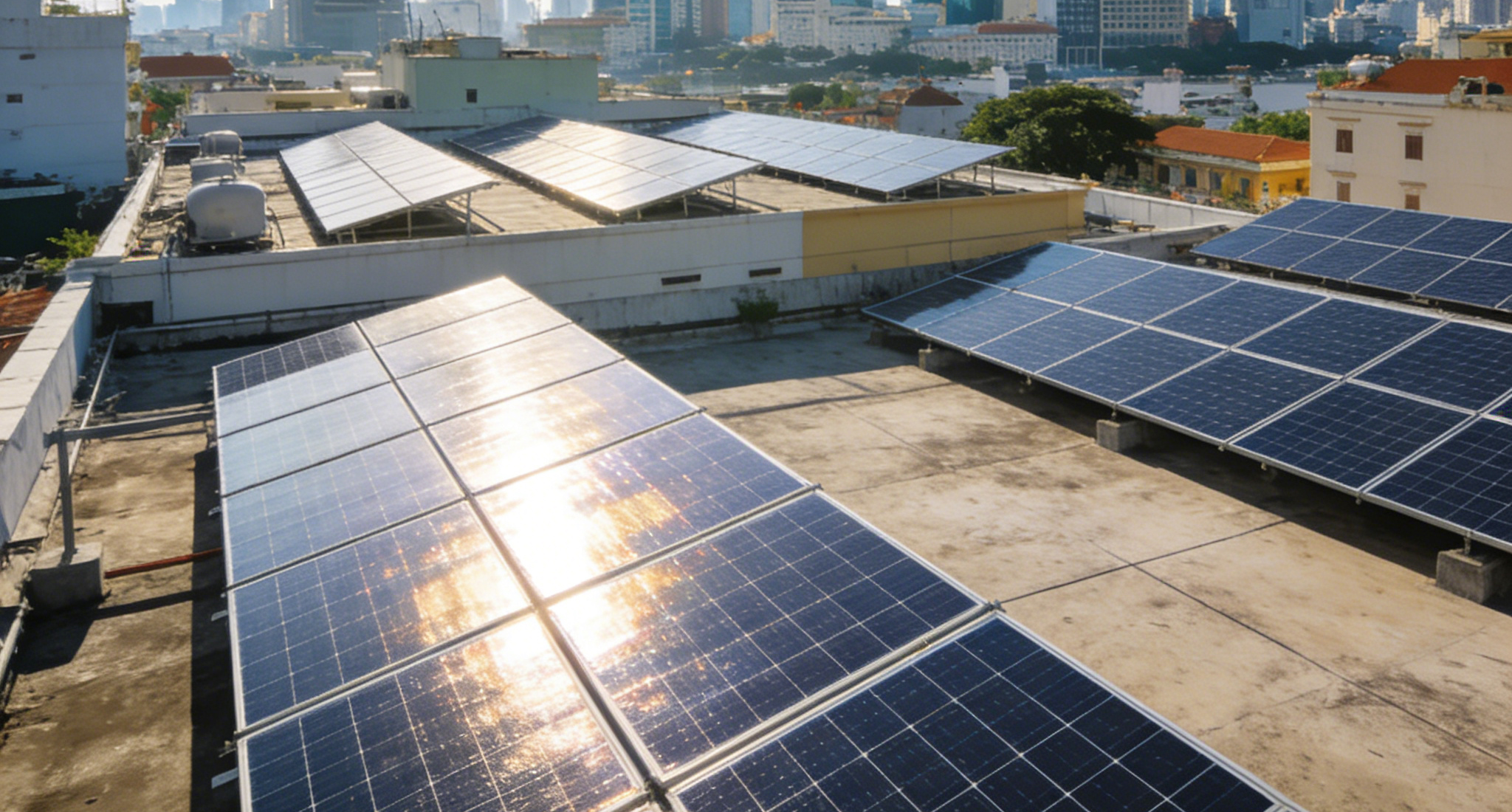
HELIST adopts a “photovoltaic storage synergy and 100% self-use” architecture in Vietnam, which not only meets the requirements of the power grid but also achieves an annual electricity cost reduction of 30-35%. We can provide full assistance throughout the process for the preparation of technical documents and the connection with local filing.
IV.Not sure if your plant is a good fit for energy storage?
Tell us the following information and we will provide you with a dedicated feasibility report within 48 hours:
♦ The city where it is located
♦ Annual electricity consumption (kWh or MWh)
♦ Main production periods (such as 8:00-20:00)
V.Why choose HELIST?
Having been deeply engaged in the new energy sector for nearly 20 years, HELIST holds over 50 patents related to photovoltaic energy storage and has a R&D team of more than 20 people. It is dedicated to providing practical photovoltaic energy storage technology solutions for EPCs, developers, and factory owners in Southeast Asia
1. A complete product portfolio of photovoltaic storage systems
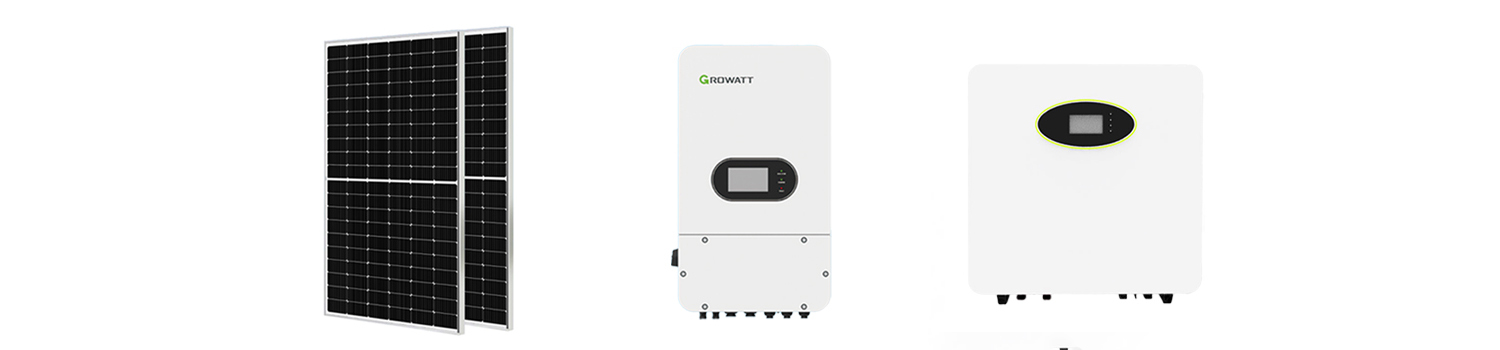
Integrate core equipment such as high-reliability photovoltaic modules, inverters, LFP energy storage, PCS, and BMS, and have them uniformly dispatched and integrated by self-developed EMS to ensure the efficient and coordinated operation of the system
2. Configurable intelligent EMS platform
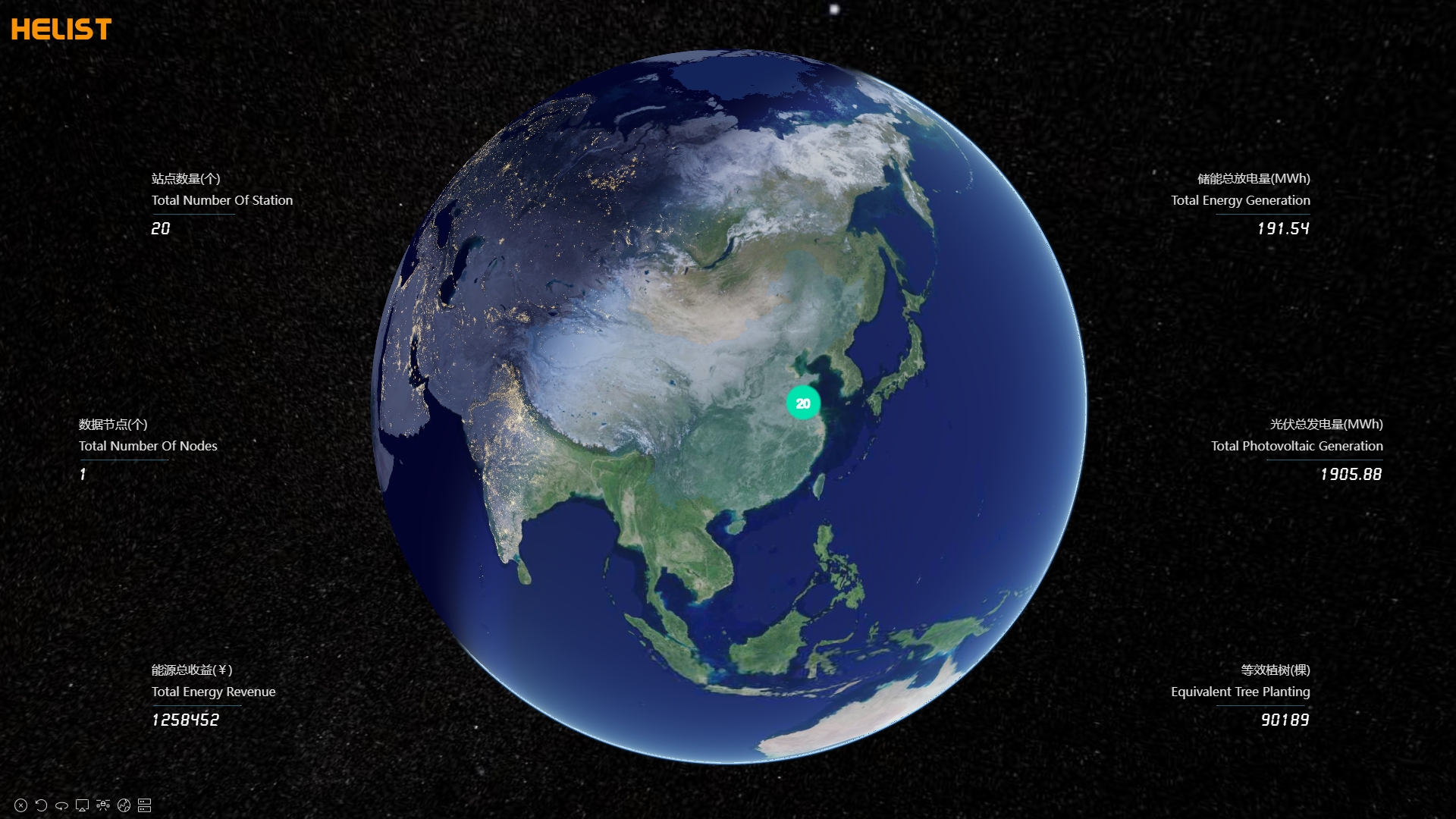
Support electricity price strategies in multiple countries such as Vietnam’s TOU, Thailand’s BOI, Malaysia’s AFA, and the Philippines’ microgrid, and provide green electricity production tracking and energy efficiency visualization to help achieve ESG goals.
3. Full-process technology empowerment
We offer free scheme design, electrical drawings, installation guidance, system debugging and operation and maintenance training to lower the threshold for local integration.
4. Efficient response mechanism
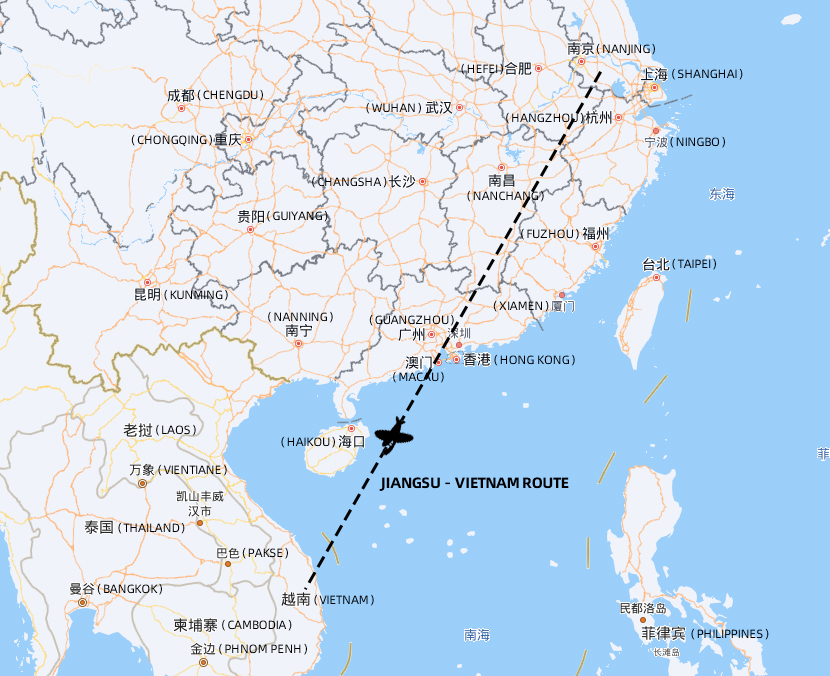
The China headquarters is only a 2 to 4-hour flight from Southeast Asia, providing 7×12 remote technical support. If necessary, on-site support can be provided within 48 hours to ensure the smooth delivery of the project.
Conclusion:
Conclusion: The 5-stage TOU is now a certainty. Energy storage is not about “whether to do it or not”, but “how to do it right”.
The refinement of Vietnam’s industrial and commercial electricity price mechanism marks that user-side energy storage has officially entered an economically feasible period. HELIST, with its in-depth understanding of local policies, grid regulations and load characteristics, provides Vietnamese enterprises with cost-effective, highly compliant and high-return photovoltaic storage solutions.
Whether you are building a new factory or renovating existing facilities, we can tailor the best solution for you to help you easily cope with the challenge of electricity prices.
Suggestions for internal links
VI.Frequently Asked Questions (FAQ)
1. Q: Will the energy storage system affect the normal power supply for factory production?
A: No. The system is equipped with a dual power switching device. In case of a failure of the energy storage system, it can automatically switch to grid power supply within ≤ 0.1 seconds, without affecting continuous production at all. At the same time, the EMS system will monitor the load in real time to avoid power shortages caused by insufficient discharge of the energy storage.
2. Q: What should be done when the battery lifespan expires?
A: HELIST offers battery recycling and replacement services. For LFP batteries, when their lifespan expires (approximately 8-10 years), they can be exchanged for new batteries at a discounted price. At the same time, they will assist in handling the compliant recycling of the used batteries (in accordance with Vietnam’s environmental protection regulations), thereby reducing the subsequent update costs.
3. Q: How can we ensure stable revenue if the electricity price policy changes?
A: Our self-developed EMS platform supports dynamic updates of the electricity price strategy. If the charging and discharging strategies need to be adjusted according to different time periods and price ratios, the system can optimize them within 24 hours. At the same time, HELIST will continuously monitor the electricity price policies in Vietnam and provide customers with solutions in advance to secure long-term revenue.
4. Q: Are there any new requirements for the certification of energy storage equipment in Vietnam in 2026?
A: Currently, there are no new mandatory certification requirements. Core equipment (LFP batteries, PCS) only need to comply with the Vietnamese TCVN national standards. All HELIST equipment has already passed TCVN certification and local testing, and can be directly used for project applications, without the need for additional certification, saving implementation time.
5. Q: Can the energy storage system operate in coordination with the factory’s existing diesel generators?
A: Yes. The HELIST EMS system supports the coordinated operation of energy storage and diesel generators. When the power grid is out or the electricity price is abnormal, it can automatically switch to the “diesel generator + energy storage” mode to ensure the power supply for critical production lines; at the same time, it can optimize the start and stop timing of the diesel generator, reducing diesel consumption and operation costs.
6. Q: Is the application process for policy incentives complicated? What kind of assistance can HELIST provide?
A: The process is not complicated. The core lies in material compliance and local coordination. HELIST can provide full assistance: checking if the project meets the incentive directory requirements, preparing energy efficiency/carbon emission assessment reports, coordinating with the Industry and Commerce Department and banks to handle income tax reduction, tariff preferences, and low-interest loans, significantly reducing the difficulty for enterprises to apply.
7. Q: Are there any differences in the project implementation periods across different regions (southern, northern, central)?
A: There are slight differences. The approval process in the southern regions (Ho Chi Minh City, Dong Nai) is the most mature, with a project implementation period of 2-3 weeks; in the northern regions (Hanoi) and central regions (Da Nang), additional coordination with local industrial and trade departments for filing is required, resulting in a period of 3-4 weeks. HELIST has cooperation institutions in both the southern and northern regions, enabling targeted shortening of the period.
8. Q: Are the electricity price data used in the revenue calculation fixed? Will they be updated quarterly?
A: The calculation basis is based on the current (2026) electricity price. It will be updated synchronously with the EVN’s quarterly electricity price adjustments. HELIST can provide customers with annual revenue review services. By considering actual price changes and electricity usage data, it optimizes charging and discharging strategies to ensure that the calculated revenue does not deviate from the actual revenue by more than 5%.
Suggestions for internal links ↓