
Why Do Manufacturing Enterprises in Southeast Asia Need Solar Power-Storage Systems?
During the rapid industrialization of Southeast Asia, power systems across the region face common challenges characterized by high electricity costs, low grid reliability, and significant price volatility:
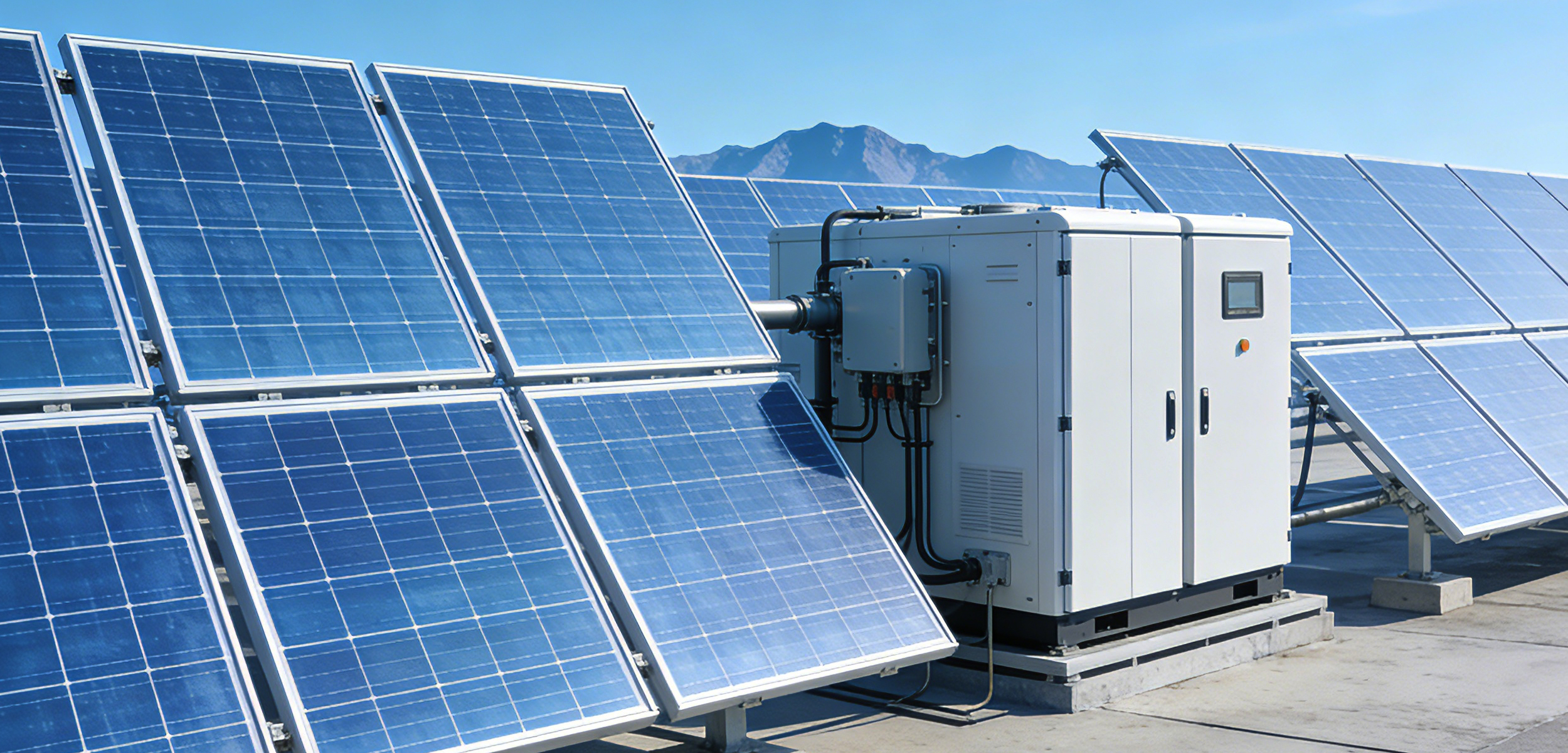
♦ Vietnam: The peak-to-off-peak electricity price ratio reaches nearly 3:1, creating a clear economic incentive for energy storage arbitrage.
♦ Thailand: The Eastern Economic Corridor (EEC) green energy policy has made renewable electricity a key criterion for Board of Investment (BOI) incentives.
♦ Malaysia: The Availability-Based Fee Adjustment (AFA) mechanism leads to substantial monthly fluctuations in industrial electricity prices, ranging from RM 0.45 to RM 0.51/kWh.
♦ The Philippines: Industrial electricity tariffs range from ₱12 to ₱14/kWh (approximately USD 0.21–0.25/kWh), the highest in Southeast Asia.
♦ Indonesia: While mainland grid electricity is priced at IDR 1,500–1,650/kWh, remote islands depend on diesel generators with costs exceeding USD 0.20/kWh.
Concurrently, global brands such as Apple, Nike, and Samsung have mandated 100% renewable electricity (RE100) and carbon disclosure requirements across their supply chains, increasing pressure on regional manufacturers to adopt sustainable energy solutions.
Drawing on over a decade of project experience in Southeast Asia, HELIST delivers practical, profitable, and scalable photovoltaic-storage and hybrid energy solutions tailored to the distinct energy landscapes of these five countries. Our systems enable manufacturing enterprises to achieve:
– 15–40% reduction in electricity costs
– Power supply reliability exceeding 99.9%
– Annual carbon emission reductions of 500–5,000 tons, supporting accelerated ESG compliance
I. Vietnam: Large-Scale User-Side Energy Storage and Solar Photovoltaic Integration (Time-of-Use Arbitrage Model)
Applicable Scenarios:
High-energy-consuming industrial facilities, including electronics, textile, and footwear manufacturing plants with annual electricity consumption exceeding 5,000 MWh
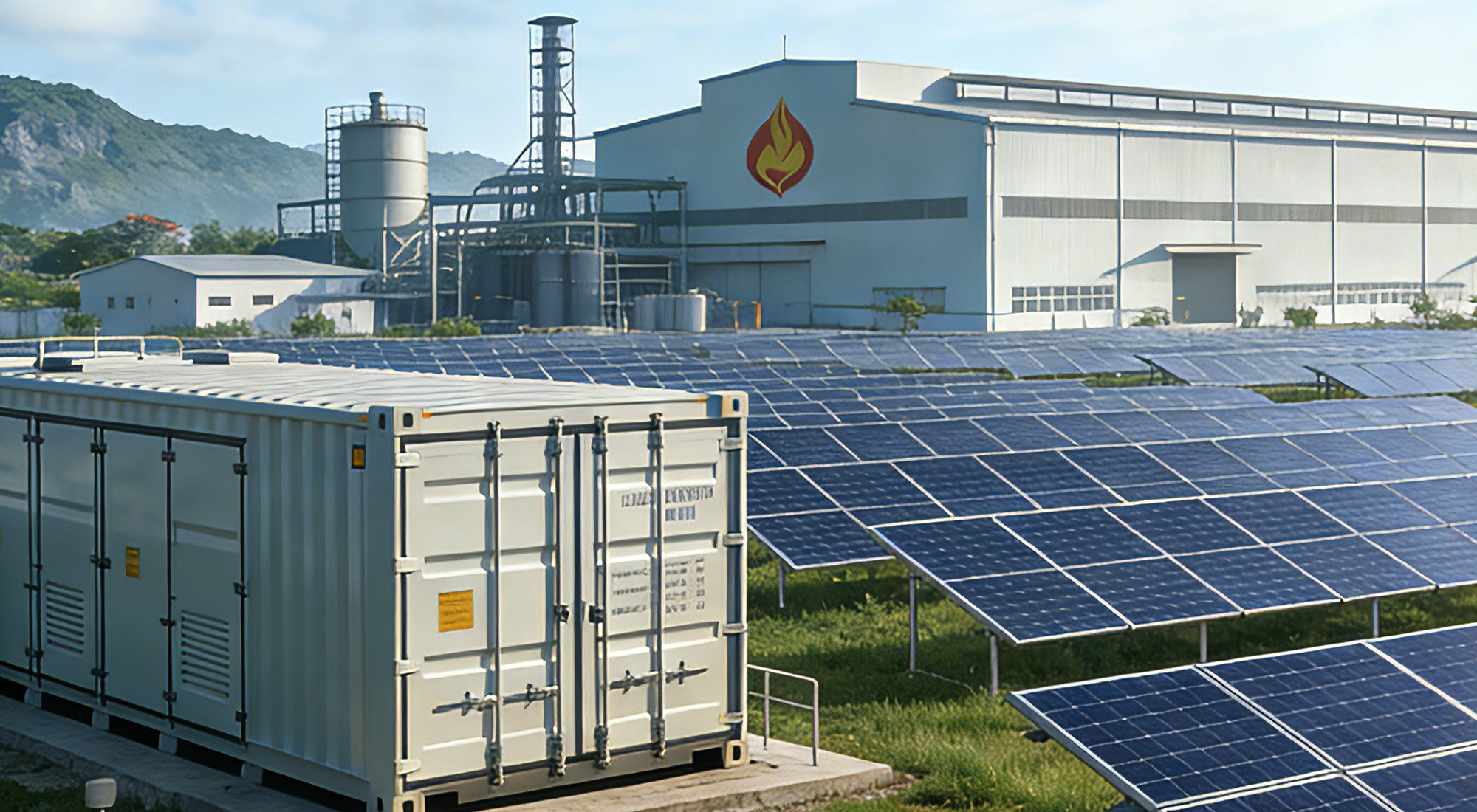
Electricity Pricing Structure (2026):
The Electricity of Vietnam (EVN) implements a five-tier time-of-use (TOU) tariff for users with demand exceeding 40 kVA:
– Peak Period (17:00–20:00): VND 3,038/kWh
– Off-Peak Period (23:00–06:00): VND 1,110/kWh
The peak-to-off-peak price ratio reaches approximately 2.73:1, representing the most favorable energy arbitrage opportunity in Southeast Asia.
HELIST Solution:
Strategy: Implementation of a “nighttime charging with dual daytime peak discharge” model, integrated with rooftop photovoltaic systems for on-site self-consumption.
Outcomes:
– Annual electricity cost savings ranging from 20% to 35%
– Photovoltaic self-consumption rate exceeding 85–90%
– Renewable energy coverage of 30–40% of total facility electricity demand
This solution is applicable to major industrial hubs, including Ho Chi Minh City, Hanoi, and Haiphong.
For further details, please refer to the dedicated solution page for industrial energy storage in Vietnam.
II. Thailand: Integrated Solar-Powered Energy Storage with High-Reliability Backup (Driven by BOI Green Energy Incentives)
Applicable Scenarios:
Industries requiring uninterrupted power supply, such as biopharmaceuticals, automotive components, and data centers
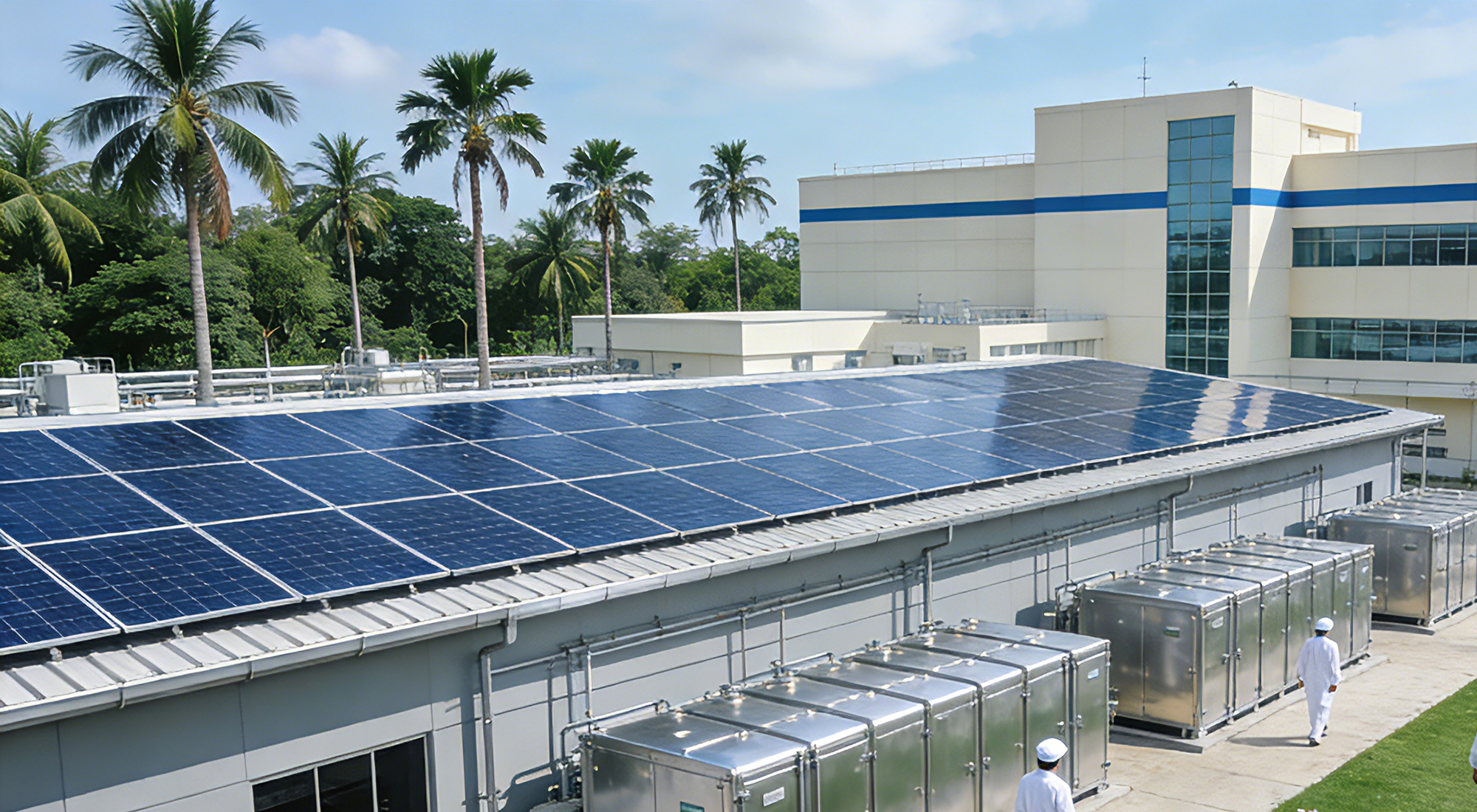
Electricity Context (2026):
– Industrial electricity rates: THB 3.8–4.2/kWh (approximately USD 0.105–0.115/kWh)
– Enterprises within the Eastern Economic Corridor (EEC) investing in renewable energy systems are eligible for Board of Investment (BOI) incentives, including extended corporate tax exemptions and reduced import tariffs on equipment
HELIST Solution:
Primary reliance on solar generation during daylight hours, supplemented by battery energy storage for nighttime usage and emergency backup during grid outages. The system enables seamless power transition within less than 10 milliseconds, effectively replacing conventional UPS-diesel generator configurations.
Benefits:
– Supports compliance with RE100 commitments for 100% renewable electricity usage
– Annual carbon emissions reduction of 500–1,000 metric tons per installation
– Estimated investment payback period of 5–7 years, factoring in BOI incentive programs
For additional information, visit the comprehensive solution overview for solar-powered storage integration in Thailand.
III. Malaysia: Solar Power Dominance with Small-Scale Energy Storage for Peak Load Management (Adaptation to AFA Fluctuations)
Applicable Scenarios:
Semiconductor manufacturing, palm oil processing, and logistics parks—particularly in Peninsular Malaysia
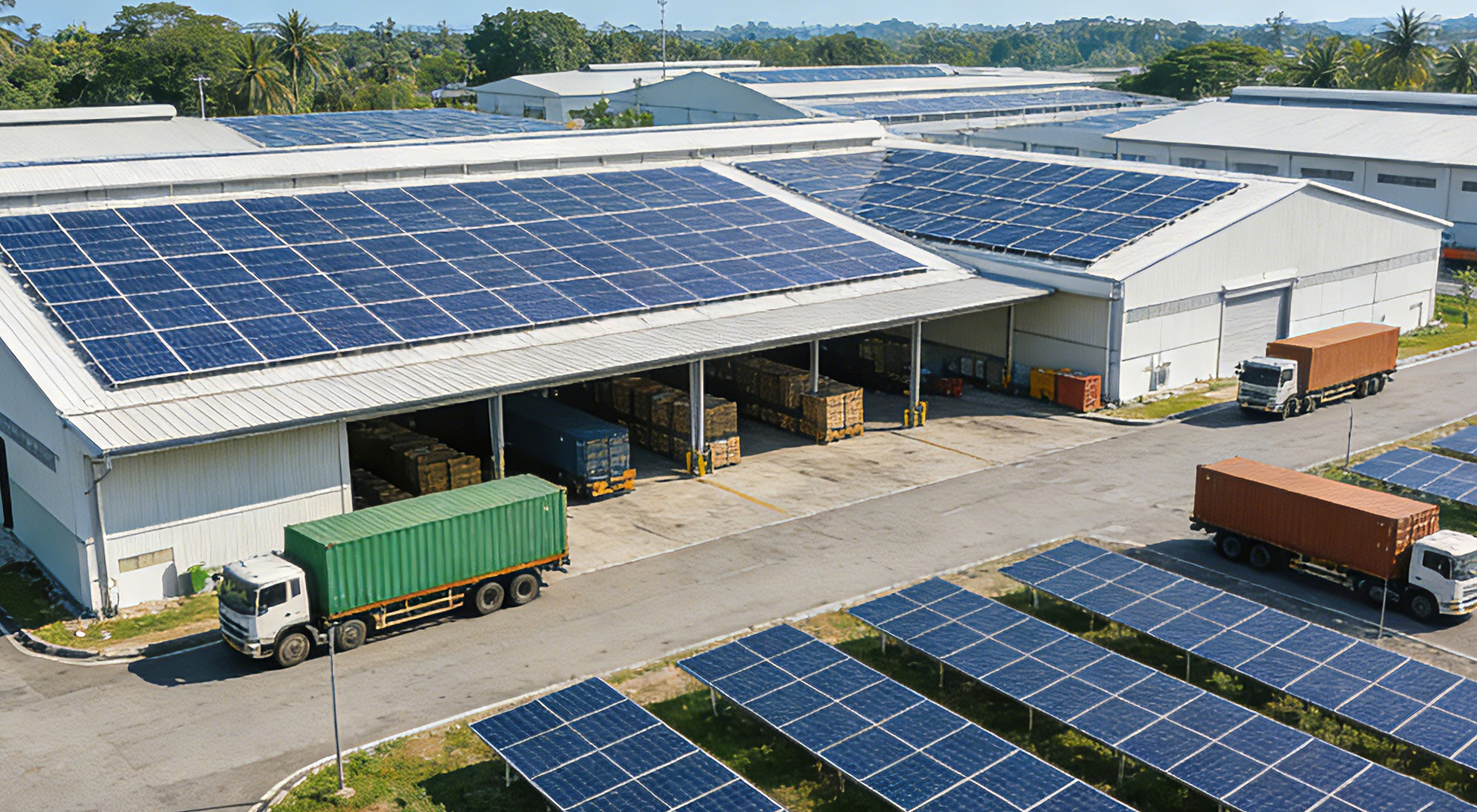
Electricity Characteristics (2026):
Tenaga Nasional Berhad (TNB) implements a Time-of-Use (TOU) pricing structure combined with the Automatic Fuel Adjustment (AFA) mechanism.
Recent industrial electricity rates range from RM 0.45 to RM 0.51 per kWh (approximately USD 0.095–0.108 per kWh), with peak period pricing (14:00–22:00) reflecting a 20–30% increase.
HELIST Initiative:
Daytime solar generation meets 60–70% of on-site energy demand.
Energy storage systems are strategically discharged during peak hours (14:00–22:00) to mitigate high tariff exposure.
This integrated approach achieves an overall cost reduction of 15–25%, avoids over-sizing of infrastructure, and aligns with TNB’s Net Energy Metering (NEM) 3.0 policy framework.
Hyperlink: Access Malaysia’s Solar Power and Energy Storage Peak Shaving Solution
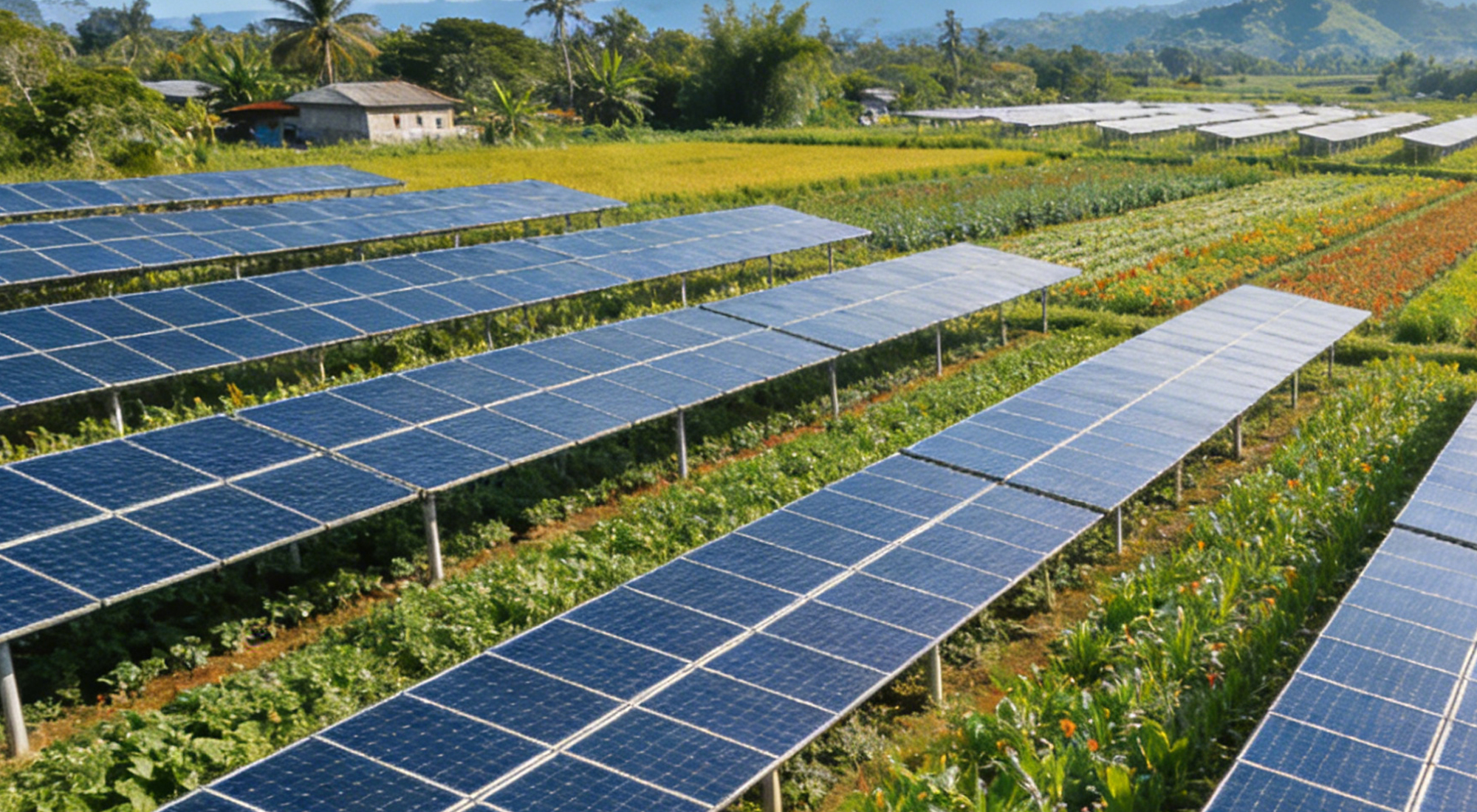
IV. Philippines: Solar-Powered Hybrid Microgrid with Energy Storage Support (Off-grid Cost-Effective Solution)
Applicable Scenarios:
Offshore resorts, mining operations, agricultural plantations, and industrial facilities in Mindanao and the Visayas regions
Electricity Characteristics (2026):
Industrial electricity prices on the main grid range from ₱12 to ₱14 per kWh (approximately USD 0.21–0.25 per kWh), among the highest in Southeast Asia.
Remote islands rely entirely on diesel generators, where total power generation costs exceed ₱17 per kWh (approximately USD 0.30 per kWh), compounded by scheduled outages and grid instability.
HELIST Initiative:
The solution supports off-grid microgrid configurations, utilizing an intelligent Energy Management System (EMS) to coordinate solar generation, battery storage, and diesel generators.
Diesel units operate solely as backup, activated only under conditions of low state-of-charge (SOC < 10%) or sudden load surges.
Outcomes:
Diesel consumption is reduced by 60–80%.
Continuous, reliable 24/7 power supply is ensured.
Annual energy expenditures are significantly lowered.
Hyperlink: Learn More About the Philippines’ Solar-Storage Hybrid Microgrid Solution
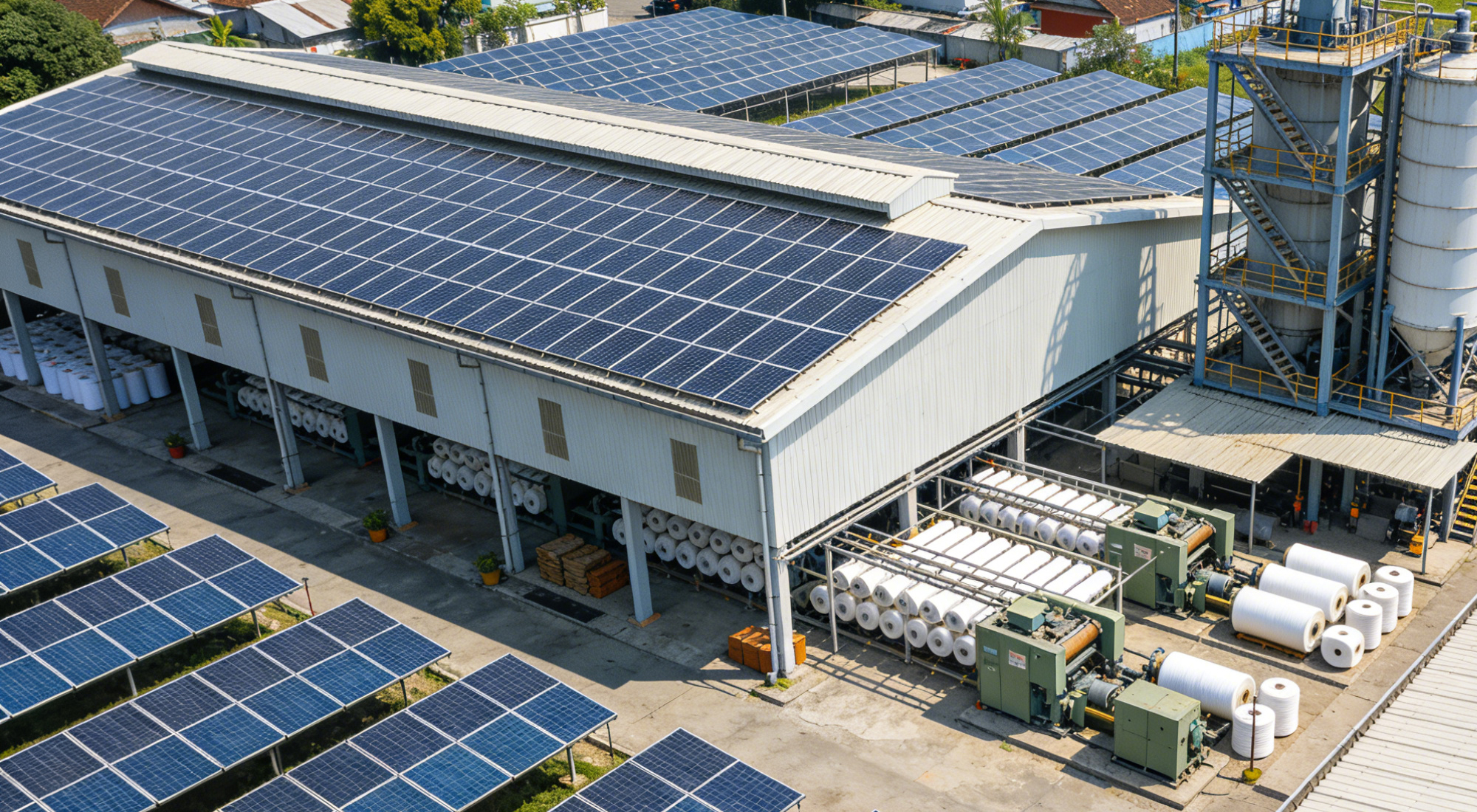
V. Indonesia: High Self-Consumption Solar Integration with Energy Storage for Supply Reliability (Prioritizing Diesel Displacement)
Applicable Scenarios:
Electronics manufacturing, textile production, nickel smelting, and other energy-intensive industries with annual electricity consumption exceeding 5,000 MWh
Electricity Characteristics (2026):
No nationwide mandatory Time-of-Use (TOU) tariffs; industrial electricity prices on the Java-Bali grid range from IDR 1,500 to 1,650 per kWh (approximately USD 0.095–0.105 per kWh).
In outer islands, fuel surcharges under the BPP mechanism result in effective electricity costs exceeding IDR 2,000 per kWh.
Over 60% of industrial facilities maintain diesel generators, operating at a cost of IDR 3,000–4,500 per kWh (approximately USD 0.19–0.28 per kWh).
HELIST Initiative:
Core Strategy: Leverage low-cost solar generation, enhance supply reliability through energy storage, and prioritize displacement of diesel usage.
During daylight hours, solar power directly supplies production loads.
At night or during grid outages, stored energy is discharged to minimize reliance on diesel generators.
Results:
Overall energy costs are reduced by 20–35%.
Production continuity is maintained during power disruptions.
Facilities meet stringent ESG compliance requirements set by international brands.
Hyperlink: Obtain Indonesia’s Solar and Energy Storage Integrated Energy Plan
Why choose HELIST?
HELIST has been deeply involved in the new energy sector for nearly 20 years, possessing over 50 patents related to photovoltaics and energy storage, as well as a 20-person R&D team. HELIST focuses on providing feasible photovoltaic and energy storage technology solutions for EPC companies, developers, and factory owners in Southeast Asia:
1. Complete photovoltaic and energy storage system product portfolio
Integrating high-reliability photovoltaic modules, inverters, LFP storage, PCS, etc., with self-developed EMS for unified scheduling and integration, ensuring efficient and coordinated system operation.
2. Configurable intelligent EMS platform
Supporting multiple national electricity pricing strategies such as Vietnam TOU, Thailand BOI, Malaysia AFA, and the Philippines microgrid, and providing green electricity production tracking and energy efficiency visualization to help achieve ESG goals.
3. Full-process technical empowerment
Offering solution design, electrical drawings, installation guidance, system commissioning, and operation and maintenance training to lower the local integration threshold.
4. Efficient response mechanism
The Chinese headquarters is only 2-4 hours away by flight from Southeast Asia, providing 7×12 remote technical support. In case of necessity, on-site support can be provided within 48 hours to ensure the smooth delivery of the project.
Are you unsure which solution is the most suitable for your factory in which country?
Just provide the following information and HELIST will issue the “Southeast Asia Solar Storage Feasibility Report” for you within 48 hours:
The country and city (e.g. Ho Chi Minh City in Vietnam, Morowali in Indonesia)
Annual electricity consumption (kWh or MWh)
Does your factory already have rooftop solar panels?
Main production hours (e.g. 8:00 – 20:00)
Related country solutions
→ Malaysia’s Solar + Energy Storage Peak Shaving Plan To Cope With AFA Electricity Price Fluctuations
→ Philippines Solar Storage Diesel Hybrid Microgrid System
→ Solar + Energy Storage In Indonesia To Reduce Electricity Bills And Improve Power Supply stability