
❓After the implementation of the RP4 electricity pricing mechanism in Malaysia in 2025, will your factory’s electricity costs increase by 300,000 + per month?
❓Did the AFA(Automatic Fuel Adjustment) fluctuations cause the budget to go out of control?
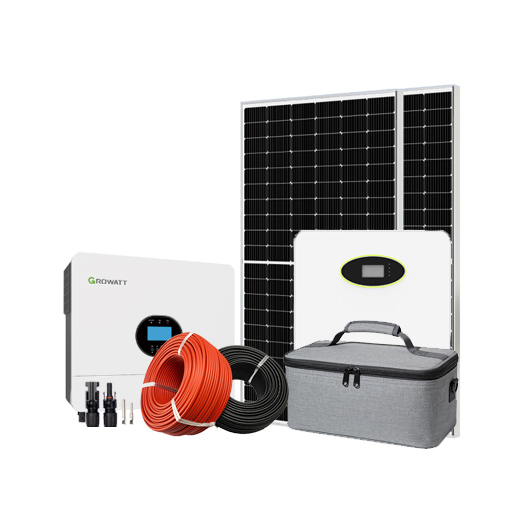
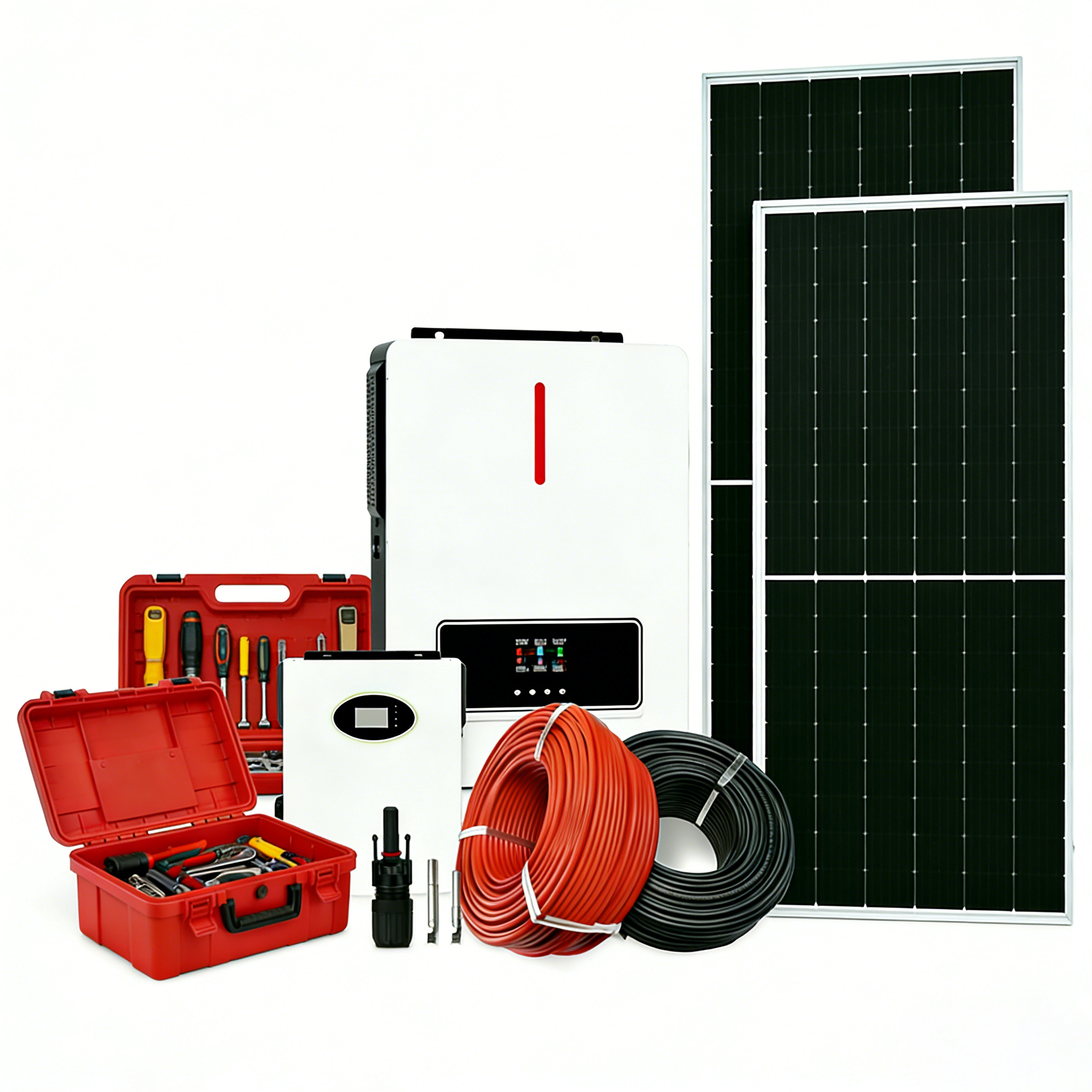
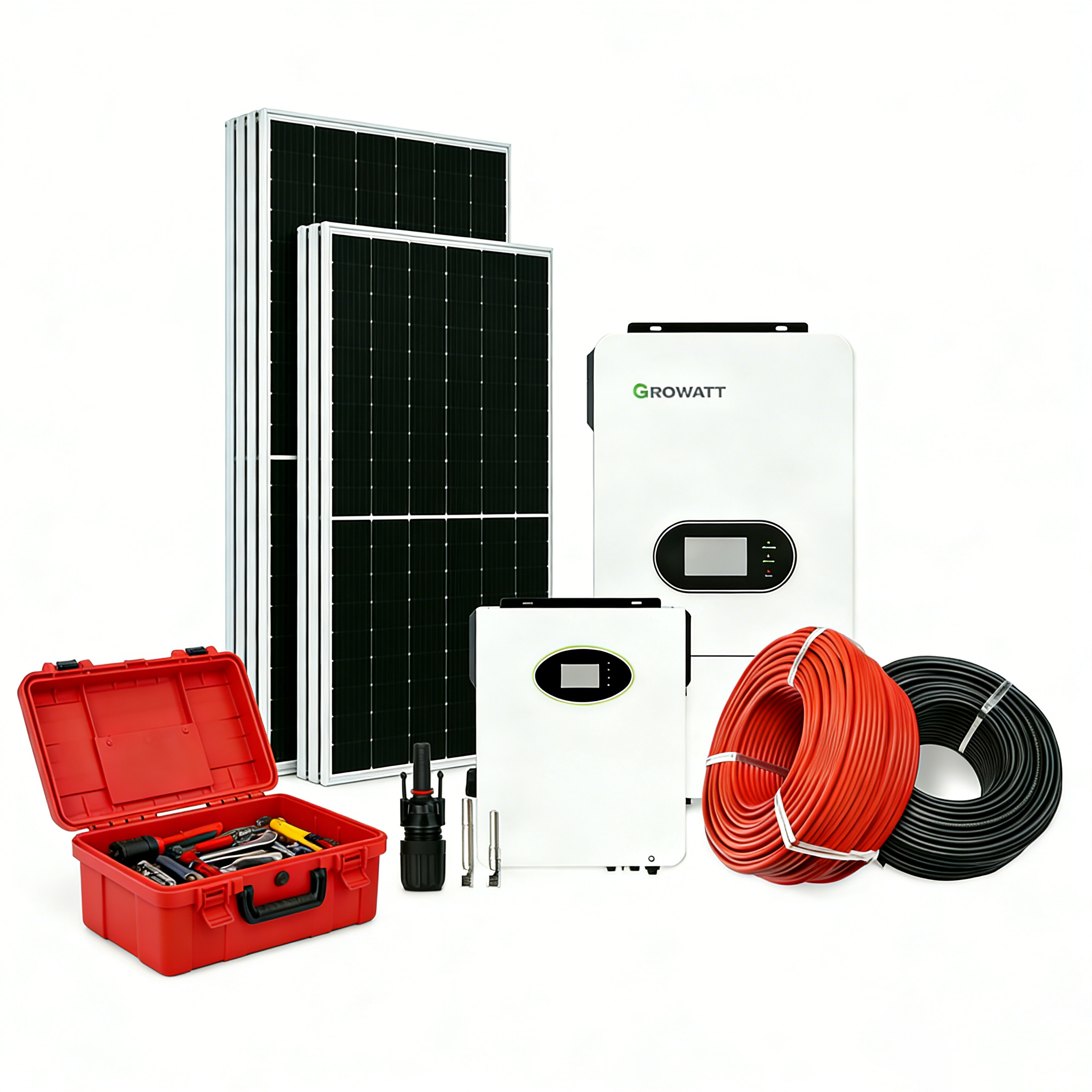
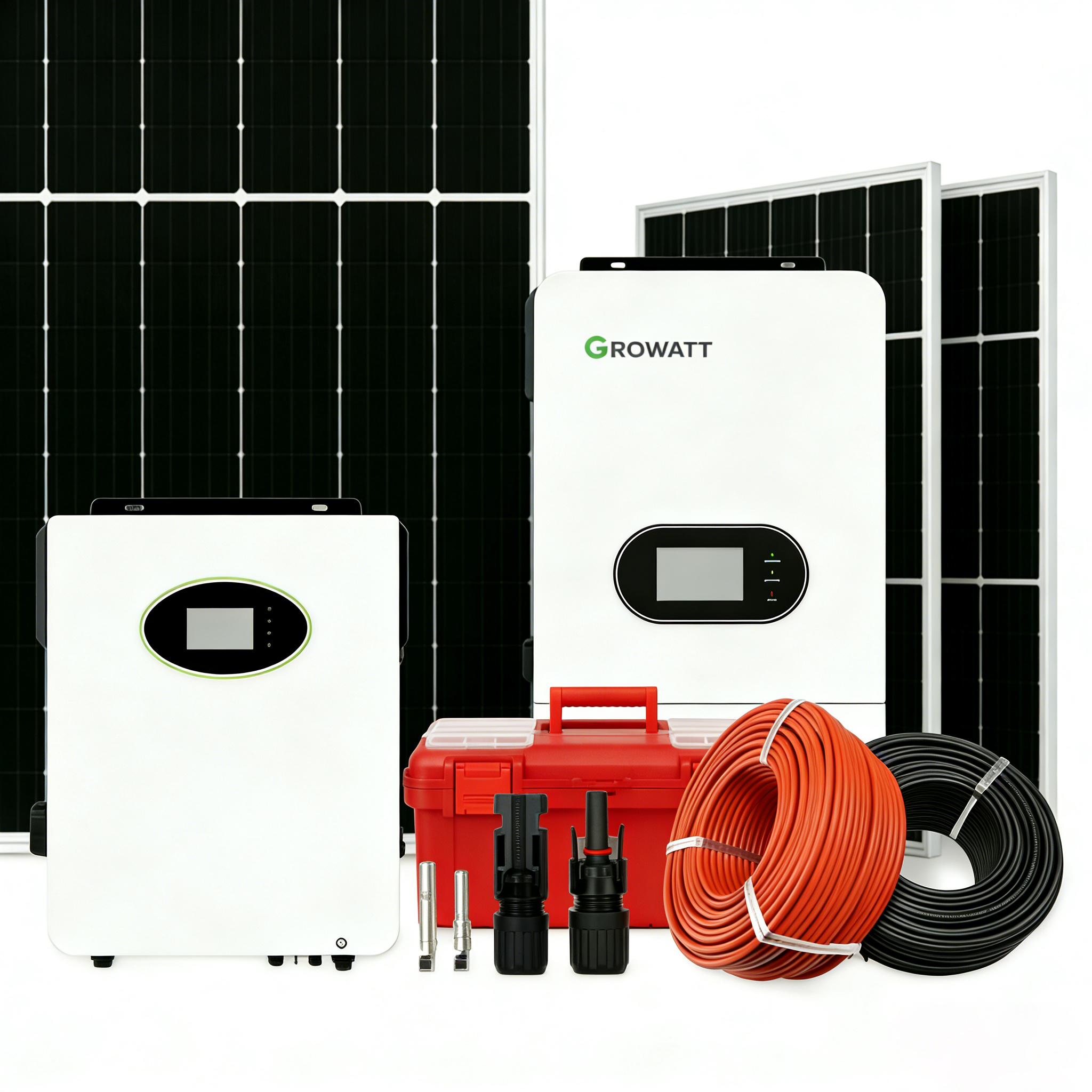
✅The HELIST ‘Solar + Small Energy Storage’ solution can help you reduce electricity bills by 15-25%, recover the cost within 5-6 years, and you can also apply for the NETR green loan!
Energy challenges for Malaysian enterprises = High base electricity price + AFA fluctuations
Starting from July 1, 2025, Malaysia implements the RP4 new electricity pricing mechanism. The industrial and commercial electricity price consists of the following two parts:
Total electricity price = Base electricity price (RM 0.454/kWh) + AFA adjustment (±)
Due to fluctuations in international fuel prices, AFA is dynamically adjusted on a monthly basis, resulting in actual electricity prices often reaching RM 0.48–0.51/kWh (average value for Q3-Q4 of 2025). In industrial-intensive areas such as Penang and Johor, electricity costs have become the second-largest operating cost for enterprises.
HELIST proposed the “PV dominance + small-scale energy storage for peak shaving” solution:
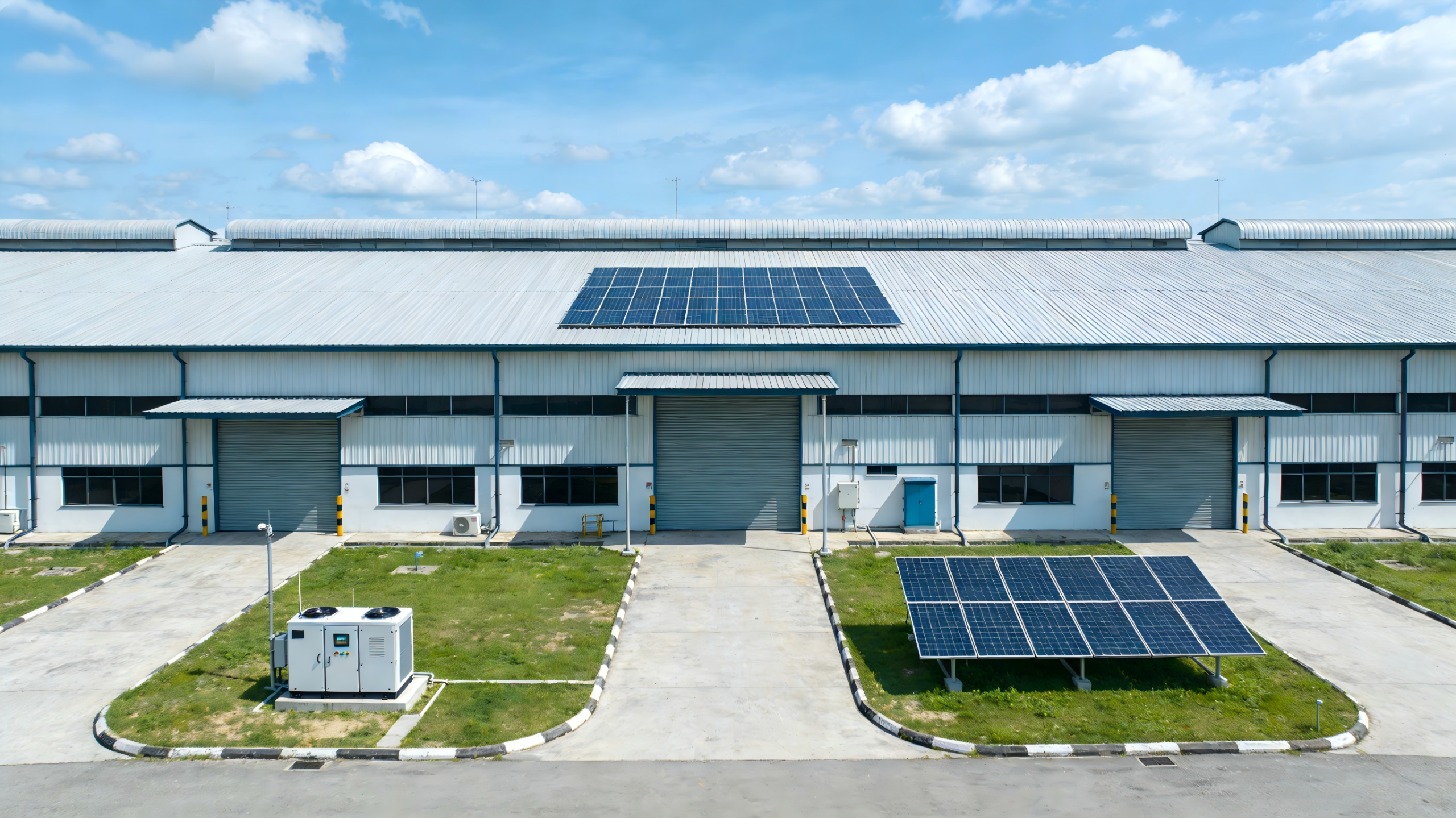
- Install solar systems on rooftops or open spaces to directly offset the high cost of grid electricity.
- Configure a small-scale energy storage system (typically 10–20% of the solar capacity), storing the excess solar power at noon and releasing it during the high-load periods from 14:00 to 22:00.
- There is no need to rely on TOU arbitrage. The core value lies in increasing the self-consumption rate of photovoltaics + smoothing out the impact of AFA.
- The typical project can achieve a reduction of 15–25% in overall electricity costs, with an investment payback period of 5–6 years.
Analysis Of The AFA Mechanism: Why Does The Electricity Bill Vary Month By Month?
What is AFA?
AFA is a monthly electricity price fluctuation mechanism introduced by the Malaysian Energy Commission (Suruhanjaya Tenaga), which is used to reflect changes in the costs of generating fuels (natural gas, coal)
- Fixed base electricity price: RM 0.454/kWh (locked from 2025 to 2027).
- AFA releases monthly reports: It can fluctuate within the range of -RM 0.03 to +RM 0.06/kWh.
- Result: Enterprises cannot accurately predict the electricity bill for the next month, making budget management difficult.
- Example: In December 2025, AFA = +RM 0.056 → The actual electricity price = RM 0.51/kWh.
Don’t worry about AFA fluctuations: Store the solar power generated during the day in small batteries, and use it during the high-price period from 14:00 to 22:00 to offset the price increase losses of AFA, ensuring stable and controllable monthly electricity costs.
TOU Is An Optional Option And Not A Mainstream Pricing Method
Although TNB has launched a voluntary application program for time-of-use electricity pricing (TOU) as of August 2025, it is important to note:
Non-mandatory implementation: Over 90% of industrial and commercial users still use the unified rate + AFA system.
Only two pricing segments (if approved):
-
- Peak period: From Monday to Friday, 14:00 – 22:00 → RM 0.512/kWh.
- Off-peak period: During other times (including all days on weekends) → RM 0.428/kWh.
- Limited spread: Approximately only RM 0.084/kWh (18%), which is insufficient to support pure energy storage arbitrage.
HELIST suggestion:
-
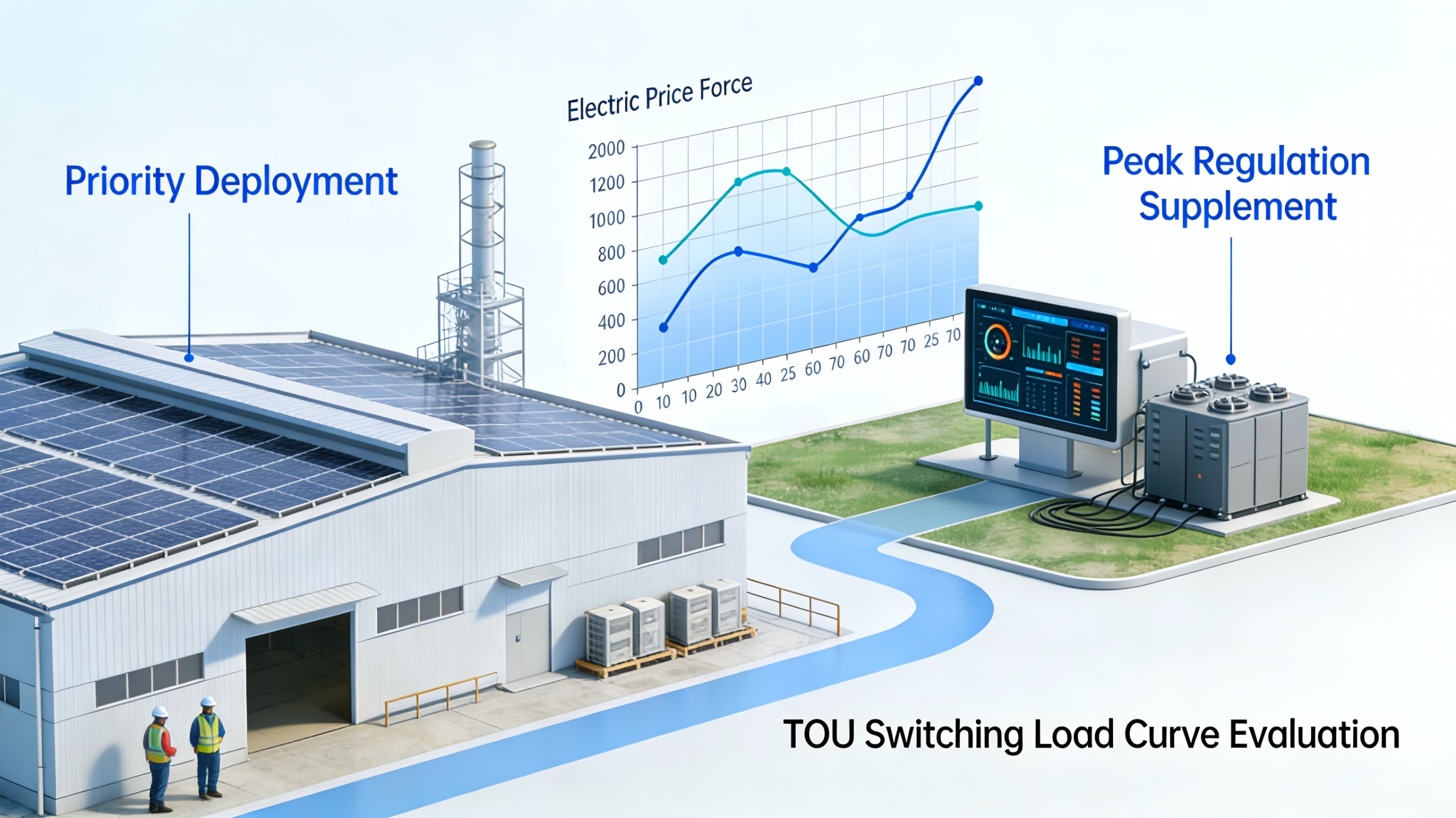
- Prioritize the deployment of photovoltaic power to hedge against high base electricity prices.
- Energy storage serves as a “peak shaving supplement” to enhance the value of photovoltaic power.
- Whether to switch to TOU (Time-of-Use) needs to be evaluated separately based on the load curve.
Why Is “Small-scale Energy Storage” More Suitable For Malaysia Than “Large Storage”?
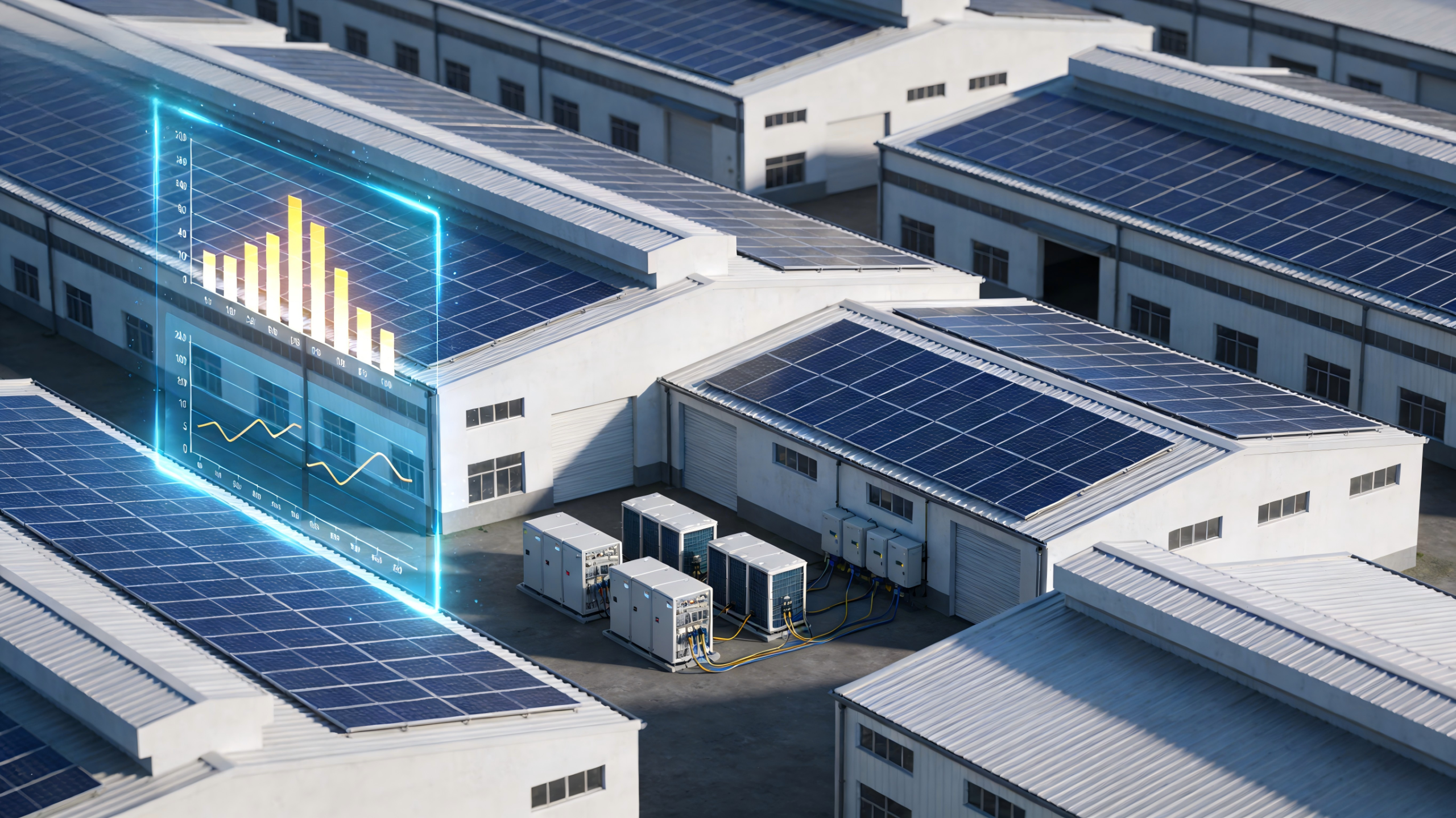
Under the current electricity pricing structure, large-scale energy storage lacks economic viability. HELIST advocates “small-scale energy storage for peak shaving” (Typical Ratio: 1 MWp PV + 200–300 kWh BESS), and the reasons are as follows:
| Advantage | Explain |
| Low Investment Threshold | The initial cost increases by approximately 10-15%, which is suitable for the cash flow of small and medium-sized factories. |
| Precise Matching Of Requirements | Only cover the peak gap from 14:00 to 22:00, avoiding capacity idleness. |
| Increase The Self-consumption Rate Of Photovoltaic Power | Transfer the excess solar power generated during the day to be used in the evening, reducing reliance on grid power. |
| Quick Payback | Combined with NEM 3.0, the comprehensive IRR can reach 12-15%, and the payback period is 5-6 years. |
Comparison: The payback period for a pure photovoltaic project is approximately 4-5 years; when a small-scale energy storage system is added, it extends to 5-6 years, but the ability to resist fluctuations in AFA is significantly enhanced, and the long-term returns become more stable.
Case of Food Factory in Johor: Annual electricity consumption is 1.2 million kWh. Installed 1MWp of solar power + 250kWh of energy storage. Annual electricity cost savings are 420,000 ringgit, additional income from surplus electricity is 380,000 ringgit. It takes 5.2 years to recover the cost. It has passed ESG audit and successfully entered the European market.
NEM 3.0: Excess Electricity Recycling Offers Stable Supplementary Income
Key policy points (effective from 2025,Long-term validity. First-come, first-served)
Applicable objects: ≤ 1 MW commercial and industrial rooftop photovoltaic systems (can be aggregated at multiple points)
Payment method:
-
- Self-generation for self-use: 100% deduction from high-priced grid electricity (RM 0.48 – 0.51).
- Surplus electricity for grid connection: Retained at a fixed price of RM 0.25/kWh (20-year contract).
- No capacity limit: First-come, first-served, but subject to TNB technical review.
NEM 3.0 Special Analysis: The Profit Logic and Practical Operating Rules of Remaining Battery Capacity Rebate
(1)Core pricing model
-
- Utilize the “time-of-use rebate” method. The peak period rebate is 0.28 ringgit per W, the off-peak period is 0.18 ringgit per kWh, and the off-peak period is 0.12 ringgit per kWh.
- Settlement method: Monthly priority price deduction, and the excess part is settled in cash.
- Capacity limit: For industrial users, the single factory project limit is 5MW, and it needs to be registered with SEDA.
- Policy connection: It can be combined with the income tax reduction of NETR, but a separate report on the measurement of the remaining electricity needs to be submitted.
(2) Solar energy storage is a key strategy for jointly enhancing the revenue of NEM 3.0
-
- Period optimization: The EMS system is linked with TNB’s grid data. The remaining solar power is prioritized for charging the energy storage system at noon, and the factory load is prioritized during peak hours. The remaining power is sold back at the highest price, which is 60% higher than the “ready for sale” mode.
- Load adjustment: Through energy storage to smooth out peaks and fill valleys, the peak load of the factory is reduced, and the remaining solar power is stored for use during high-price periods. The Johor Food Factory case shows that the annual revenue from power sales back is from 320,000 to 580,000 ringgit.
- Black start compatibility: The energy storage system retains 20% of redundant power for black start, avoiding the risk of power outage due to depleted remaining power and meeting the GMP backup requirements.
Declaration of Safety Tips for Avoiding Traps
-
- Key to Qualification Recognition: To obtain SIRIM solar system certification, the energy storage equipment must comply with the MS IEC 62619 standard, and the remaining power meter must be of the TNB certified model.
- Grid connection rules: For NEM 3.0 projects, “bidirectional meters” need to be adopted, which are compatible with the traditional “meter connection” mode, and no additional grid renovation is required.
- Acceleration techniques: By collaborating with local developers, SEDA registration and TNB meter installation can be completed simultaneously, and the approval period can be shortened to 3 months.
NEM 3.0 Bonus: For self-consumption of solar power, it saves 0.48 – 0.51 ringgit per kWh. For the surplus power fed back to the grid, it earns a fixed 0.25 ringgit per kWH for 20 years. Combined with the tax reduction for NETR, you can save twice!
Is Your Factory Suitable For Implementing Small-scale Solar Storage System?
No matter where you are, whether in Penang, Johor, Selangor or any other industrial zone, all you need to provide are:
1.City / Industrial Park
2.Annual electricity consumption (in kWh or MWh)
3.Main production hours (e.g. 8:00–20:00)
Get your personalized plan immediately! Just fill in 3 pieces of information and you will receive a precise quote and a revenue calculation sheet within 48 hours.
🔥 HELIST’s solar energy storage project at the Malaysian factory [Compatibility / Exclusion] Dual Self-Check Form
1.Policy compliance self-check (satisfying any one item is sufficient for compatibility)
✅ Plan to apply for the Malaysian National Energy Transition Roadmap (NETR) green loan / income tax reduction
✅ Annual electricity expenditure exceeds 800,000 ringgit (significant tax exemption benefits)
✅ There is demand for exports to Europe and the United States, requiring ESG reports as supporting materials
✅ The factory site is located in the core areas of Malaysia’s renewable energy (such as Johor / Kedah)
2. Electricity usage pain points self-check (satisfying 2 or more items is preferred for compatibility)
⚠️ Within the past 1 year, there were ≥ 2 power outages (including instantaneous outages)
⚠️ Core equipment requires 24-hour uninterrupted power supply (such as quality inspection instruments, fermentation systems, etc.)
⚠️ Annual electricity demand fines exceed 300,000 ringgit
⚠️ The factory is located at the end of the power grid (such as Sarawak Industrial Zone)
3. Site conditions self-check (all basic thresholds must be met)
📌 Roof area ≥ 800㎡ or idle open space ≥ 1200㎡
📌 Roof load-bearing ≥ 30kg/㎡
📌 Roof is unobstructed, preferably south-facing / southeast-facing (suitable for the 1°N – 7°N latitude of Malaysia’s sunlight)
📌 Grid connection capacity ≥ 400kVA (TNB of Malaysia National Electricity Company can assist in expansion)
4. Economic feasibility self-check (all core requirements must be met)
💹The remaining operational years of the factory ≥ 10 years (covering the project’s capital recovery + profit cycle)
💹Capable of bearing the initial project investment or having financing needs (can be connected to Maybank’s green loan)
🚫Incompatible with the scenario reverse layout (exclusion if only one condition is met to avoid wasting time)
❌Factory plans to relocate / close within 5 years (operational cycle cannot cover project returns)
❌Roof is made of old asbestos tiles (load-bearing area < 25kg/㎡ and cannot be reinforced)
❌Annual electricity consumption is less than 800,000 kWhs (policy subsidies for small projects are limited, and the return period is > 7 years)
Why Choose HELIST?
HELIST has been deeply engaged in the field of new energy for nearly 20 years, possessing over 50 patents related to photovoltaics and energy storage, as well as a 20-strong R&D team. HELIST focuses on providing practical photovoltaics and energy storage technology solutions for EPC companies, developers, and factory owners in Southeast Asia.
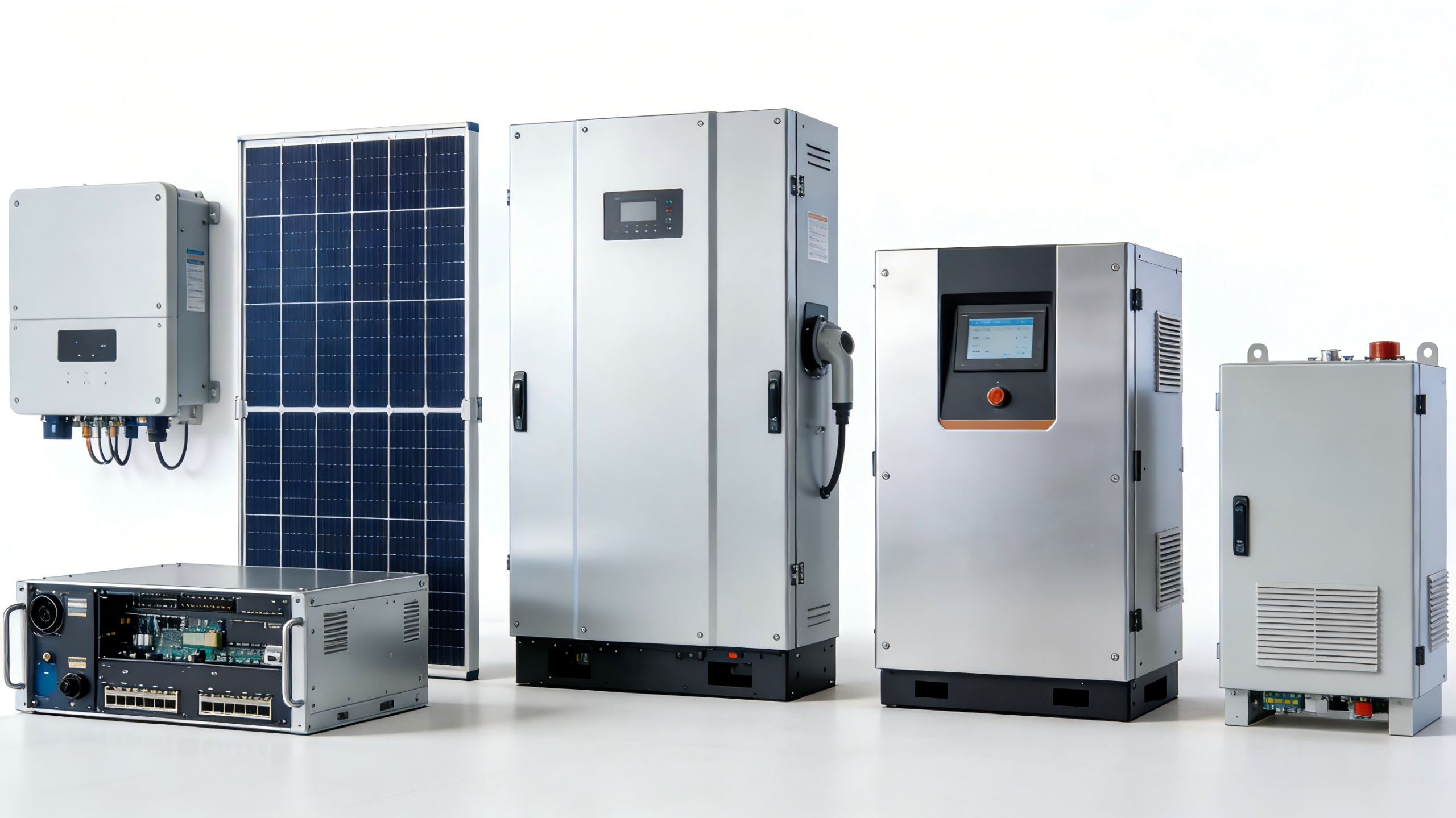
1. Complete solar storage system product portfolio
Integrate high-reliability photovoltaic modules, inverters, LFP energy storage, PCS and other core equipment. Unified scheduling and integration by self-developed EMS ensure efficient and coordinated operation of the system.
2. Configurable intelligent EMS platform
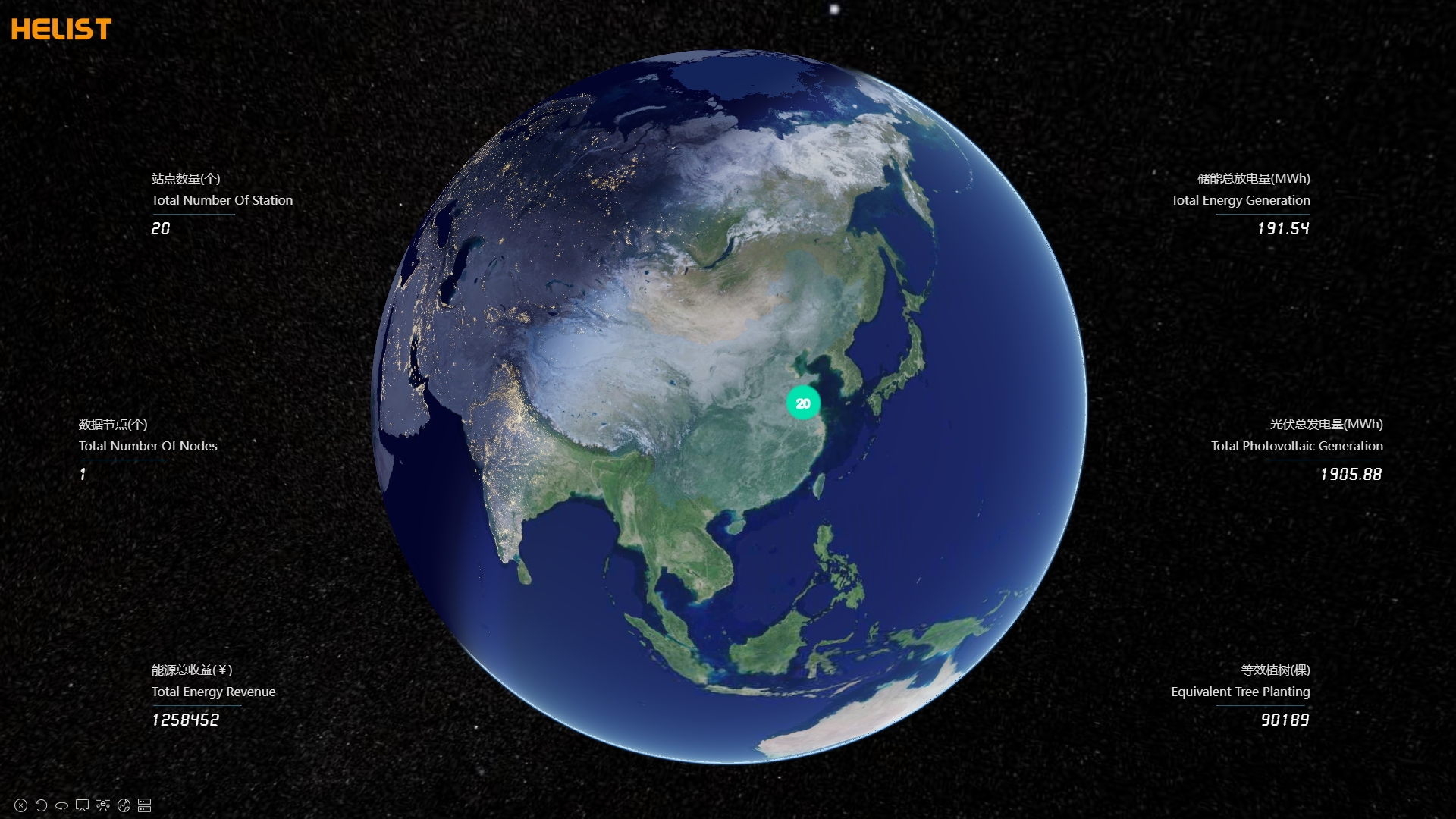
Supporting multi-national electricity price strategies such as Vietnam TOU, Thailand BOI, Malaysia AFA, and Philippines Microgrid, and providing green electricity production tracking and energy efficiency visualization to help achieve ESG goals.
3.Full-process technology empowerment
Provide solution design, electrical drawings, installation guidance, system commissioning and operation training to lower the local integration threshold.
4. Efficient response mechanism
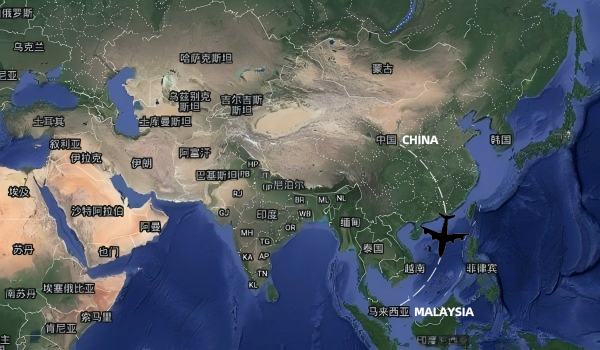
The China headquarters is only 2-4 hours’ flight away from Southeast Asia. It offers 7×12 remote technical support. In case of necessity, on-site support can be provided within 48 hours to ensure the smooth delivery of the project.
Conclusion:
Solar power as the main source, supplemented by energy storage, is the optimal solution for Malaysia at present.
Under the triple background of high base electricity prices, fluctuations of AFA, and guaranteed excess electricity in NEM 3.0, “solar power as the main source + small-scale energy storage for peak shaving” is the most practical and economically viable energy transition path for industrial and commercial users in Malaysia.
Whether you are building a new factory or renovating existing facilities, HELIST can customize high-cost-effective solutions for you.
Internal Link Suggestions
Flagship guide page:
→ [Back to South East Asia Industrial and Commercial Solar + Energy Storage Solutions Guide]
Other country pages:
→ [Explore Vietnam’s Industrial and Commercial Energy Storage System]
→ [Learn about the Thailand Optical Storage Integration Solution]
→ [Learn about the Philippine Optical Storage and Firewood Hybrid Microgrid Scheme]