
The industrial electricity prices in Indonesia rank second in Southeast Asia (after Singapore), and frequent power outages occur in the outer islands. Many factories are forced to rely on diesel generators with a cost per kWh exceeding $0.20, which not only increases operating costs but also affects production stability.
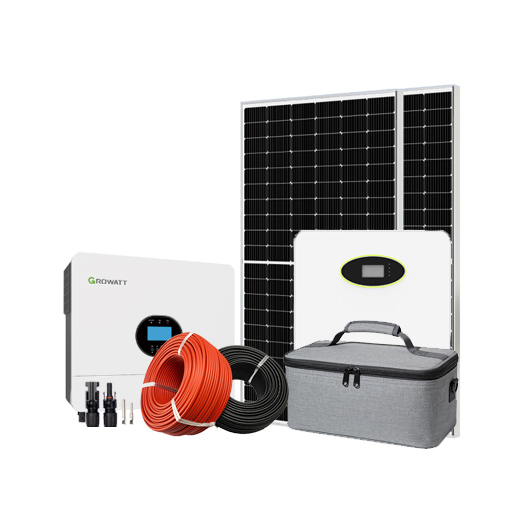
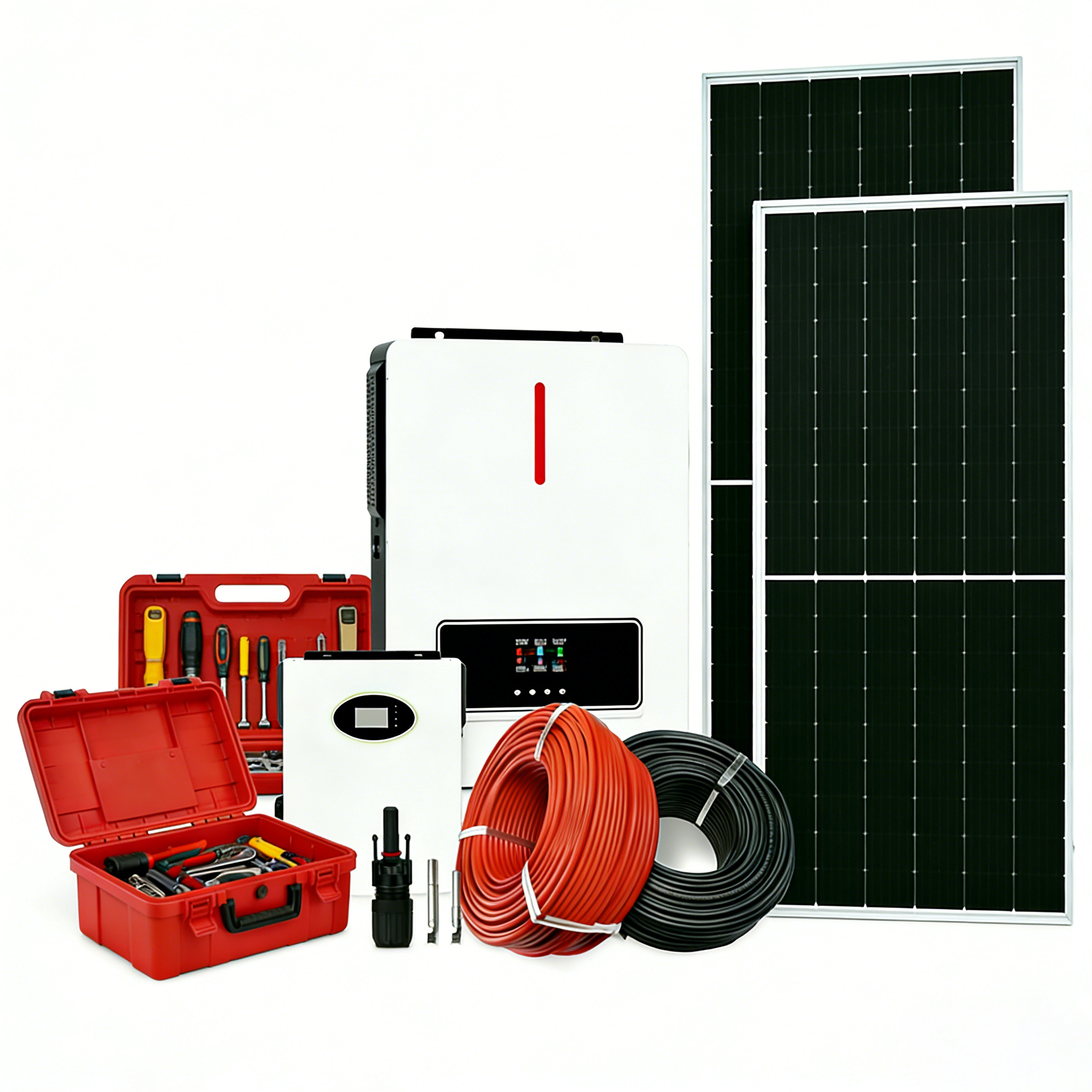
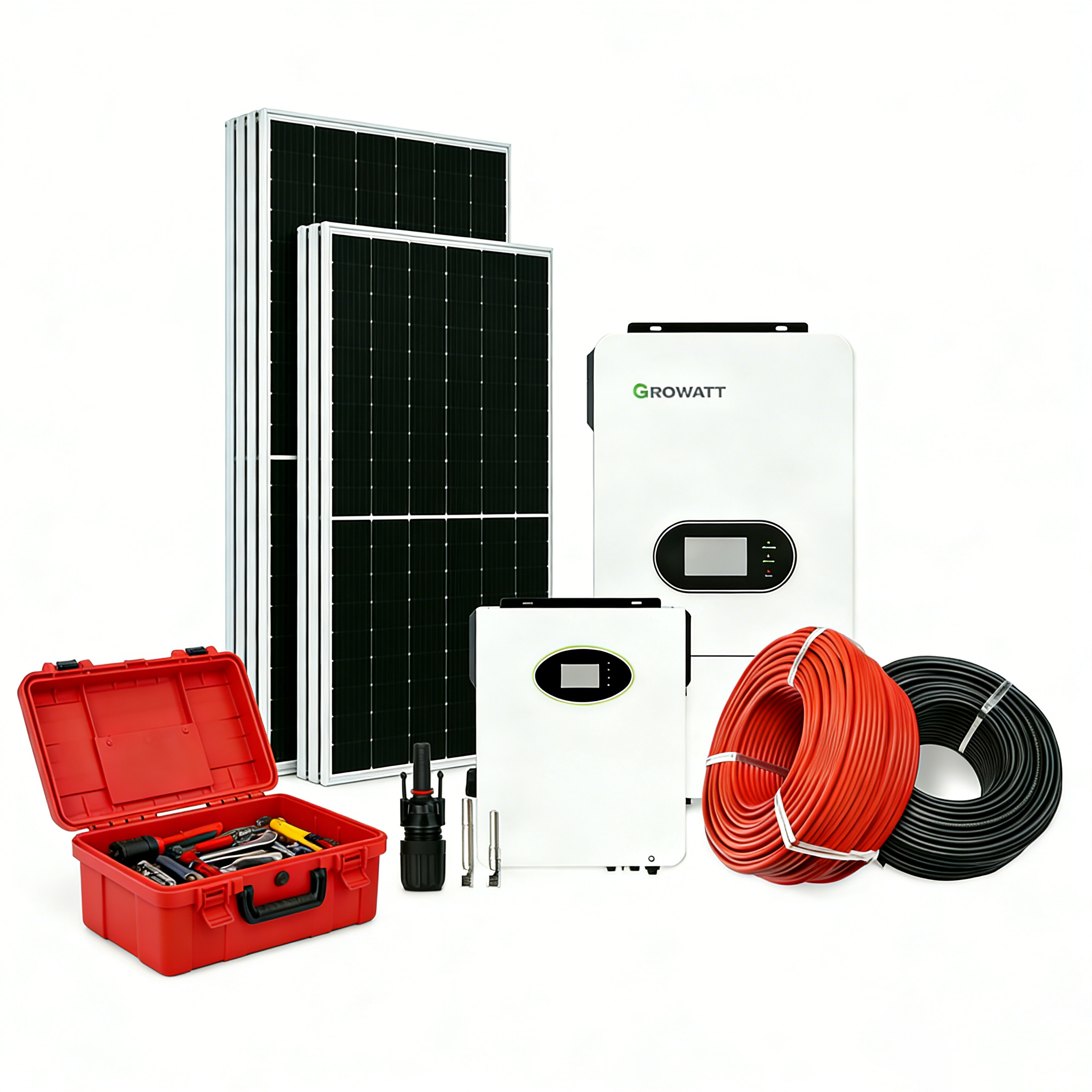
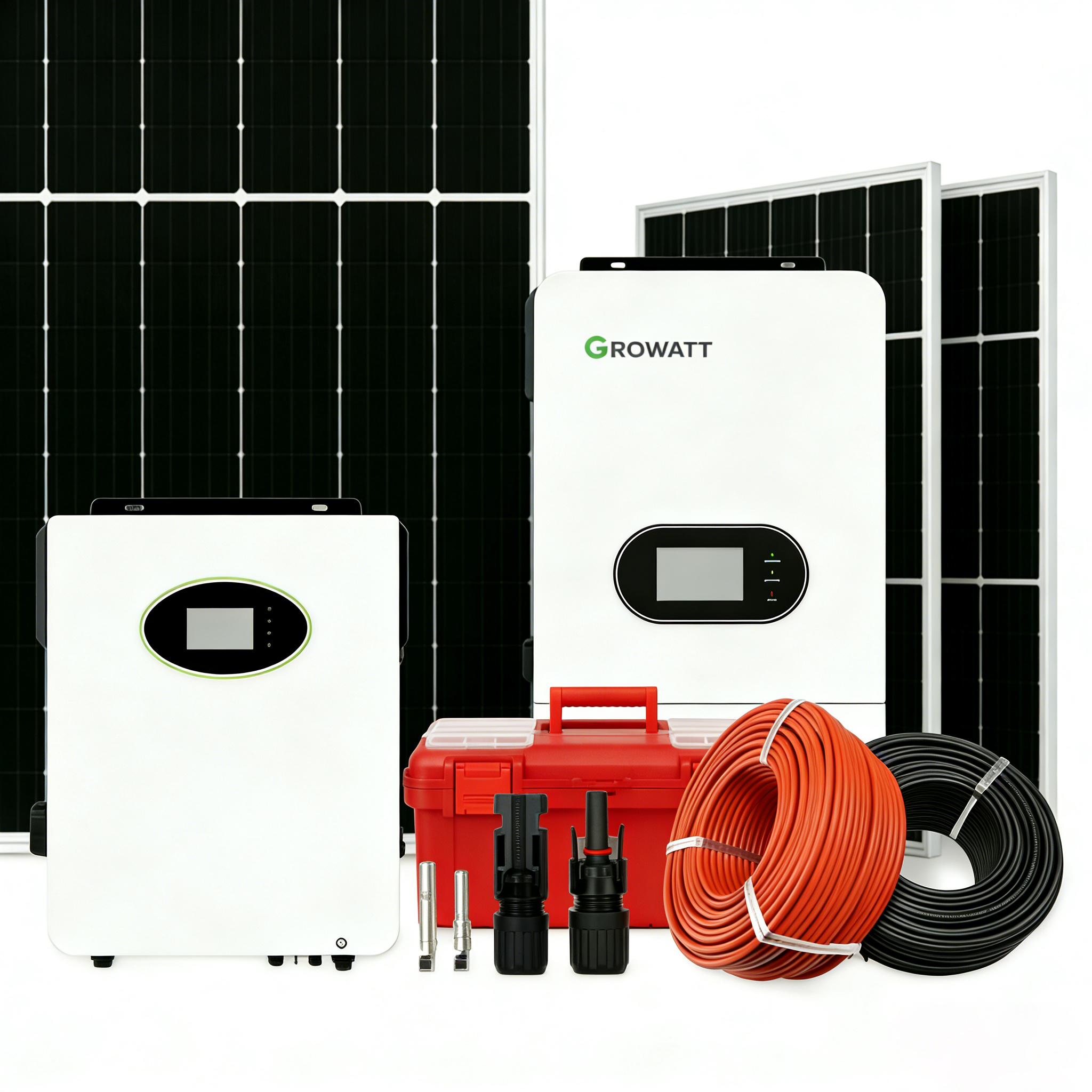
HELIST, in response to the electricity situation in Indonesia, has launched an integrated solution of “high self-consumption solar + intelligent energy storage + diesel synergy”. Without relying on time-of-use pricing (TOU), it can achieve:
– Reduce electricity costs by 30–40% (directly replacing Rp 1,500–2,200/kWh grid electricity).
– Completely replace diesel backup power sources, saving tens of thousands of US dollars in fuel costs annually.
– Seamless power supply within milliseconds, responding to daily planned power outages.
– Support ESG goals and enhance the green brand image.
The Current Situation Of Electricity In Indonesia
High cost: Industrial electricity prices rank second in South East Asia, factories in outer islands rely on diesel generators to get by, and the cost per kWh of electricity exceeds 0.2 dollars, which is more than 40% higher than that of solar + energy storage solutions;
The cost per kilowatt-hour of the solar + energy storage solution is approximately $0.07 – $0.09/kWh, which is 63% – 68% lower than that of diesel generators on the outer islands ($0.19 – $0.28/kWh), and 5% – 24% lower than the industrial electricity price of the main network in Java-Bali ($0.095 – $0.105/kWh).(Based on a 5kW photovoltaic system combined with a 4kWh energy storage system, the initial investment is amortized over a 20-year usage period, including operation and maintenance costs.)
Power supply instability: “grid islands” formed by 17,000 islands lead to frequent power outages in outer islands, and the risk of production interruption at peak electricity consumption such as Eid al-Fitr increases sharply;
Transition pressure: The government has made it clear that renewable energy will account for 44% in 2030, and traditional coal-fired factories are facing a countdown to technological transformation. The conflict between high carbon emissions of diesel power generation and environmental protection policies has intensified.
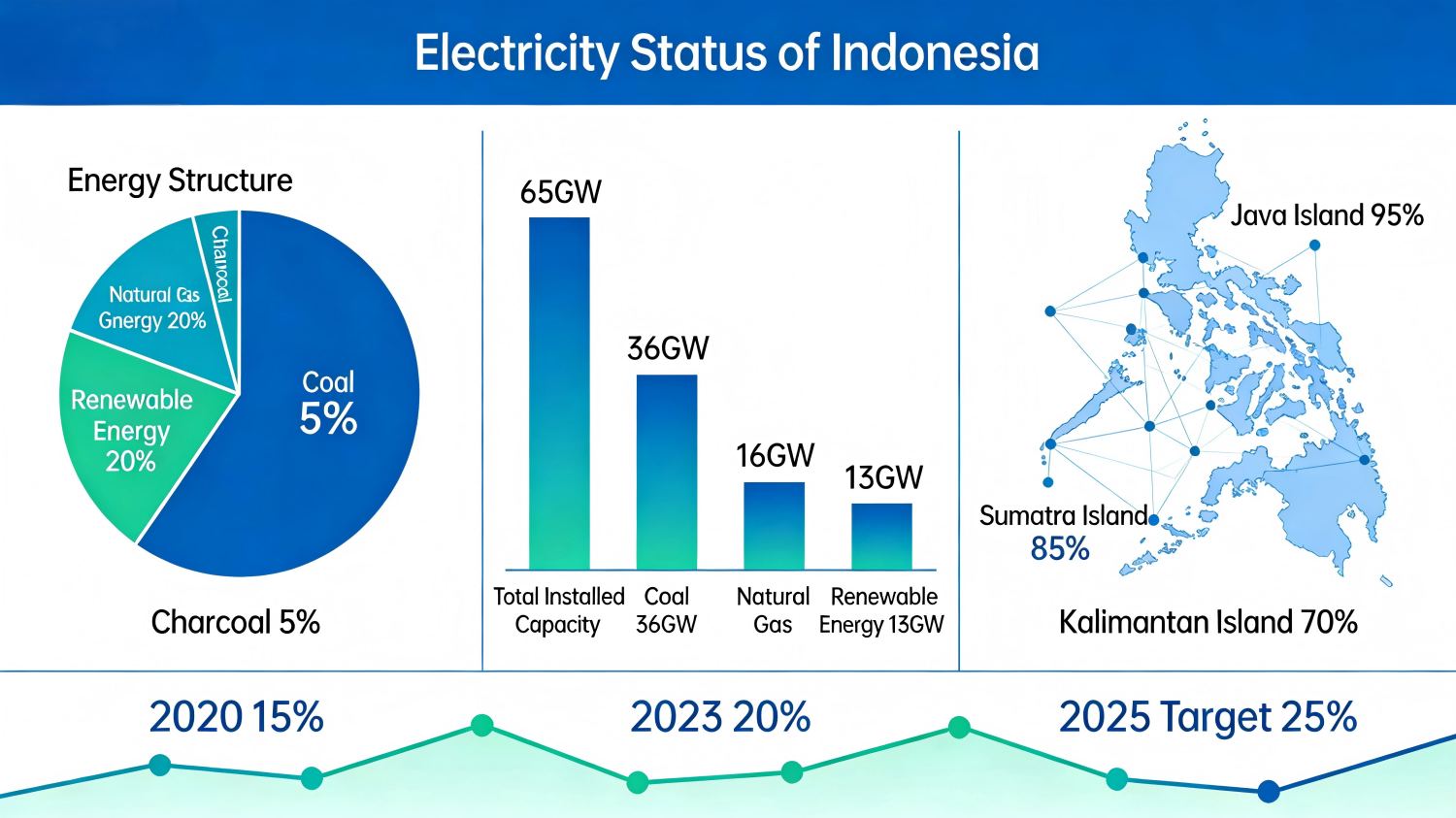
The fixed rate system is the main approach, and there is no national time-of-use pricing.
– PLN adopts a single fixed electricity price (instead of time-of-use pricing) for the vast majority of industrial and commercial users.
– The industrial electricity price for the Java-Bali main network in 2026: Rp 1,500–1,650/kWh (≈ $ 0.095–0.105/kWh). For the outer islands (such as Sumatra, Kalimantan, etc.), including fuel surcharge (BPP), the actual electricity cost can reach Rp 2,000+/kWh.
Note: PLN has only implemented Time-of-Use (TOU) pricing in a few industrial parks such as Jakarta, and it has not been mandatory across the entire country yet.
Power supply challenge: Regular power outages
| Area | Average Number Of Power Outages Per Year | Typical Blackout Mode |
| Java/Bali (mainnet) | <10 times | Summer peak short-term power outages, voltage fluctuations |
| Sumatra, Kalimantan and other outer islands | 50-150 times | 2-6 hours of planned rotating power outages per day |
Over 60% of Indonesian manufacturing enterprises are equipped with diesel generators, with operating costs ranging from Rp 3,000 to 4,500 per kWh (approximately $0.19 to $0.28 per kWh).
The Indonesian government is promoting energy transition
Indonesia is rich in renewable energy reserves, with obvious advantages in resources such as hydropower, solar energy, biomass energy and geothermal energy, and great potential for development. According to data released by the Indonesian government, as of October 2022, the utilization rate of renewable energy resources in the country was only 0.3%. The proportion of renewable energy generation such as wind power and photovoltaic power generation in the power structure is still low. At present, half of the country’s power generation still comes from coal power.
HELIST Solution: Three Scenarios, Accurate Matching
Scene 1: Java/Bali Main Network Area
Pain points: High electricity bills + occasional power outages.
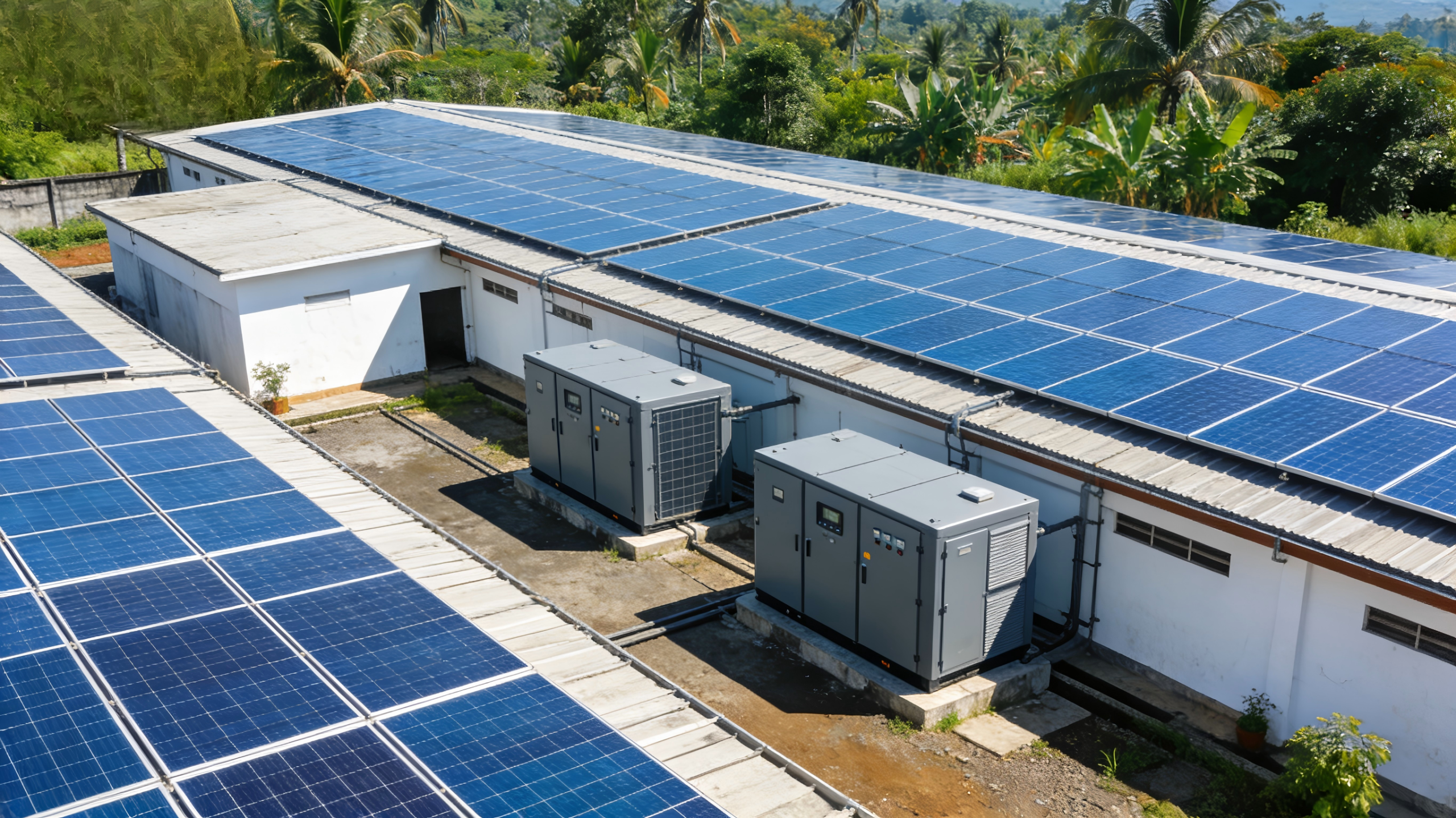
Solution: Roof-mounted solar power generation + Small-capacity energy storage (2–4 hours).
– During the day, the solar system covers 70-90% of the load, directly saving expensive electricity.
– Energy storage responds to short-term power outages to ensure zero interruption of key equipment.
PS:For industrial users that operate at night (such as paper manufacturing and food processing enterprises), a “solar + 4-6-hour energy storage” solution can be configured.
During the day, the solar power supplies electricity first and charges the energy storage system. At night, the energy storage system discharges to cover 50%-70% of the load, and the remaining load is supplemented by the power grid. This further reduces the high electricity costs during the night. At the same time, the energy storage system is capable of interacting with the monitoring of the grid voltage. When the power grid voltage fluctuates by more than ±5%, it automatically switches to energy storage power supply to ensure the stable operation of production equipment.
Scene 2: Outer Island Industrial Zone (such as Sumatra, Central Sulawesi)
Pain points: high electricity prices + several hours of power outages daily + dependence on diesel generators.
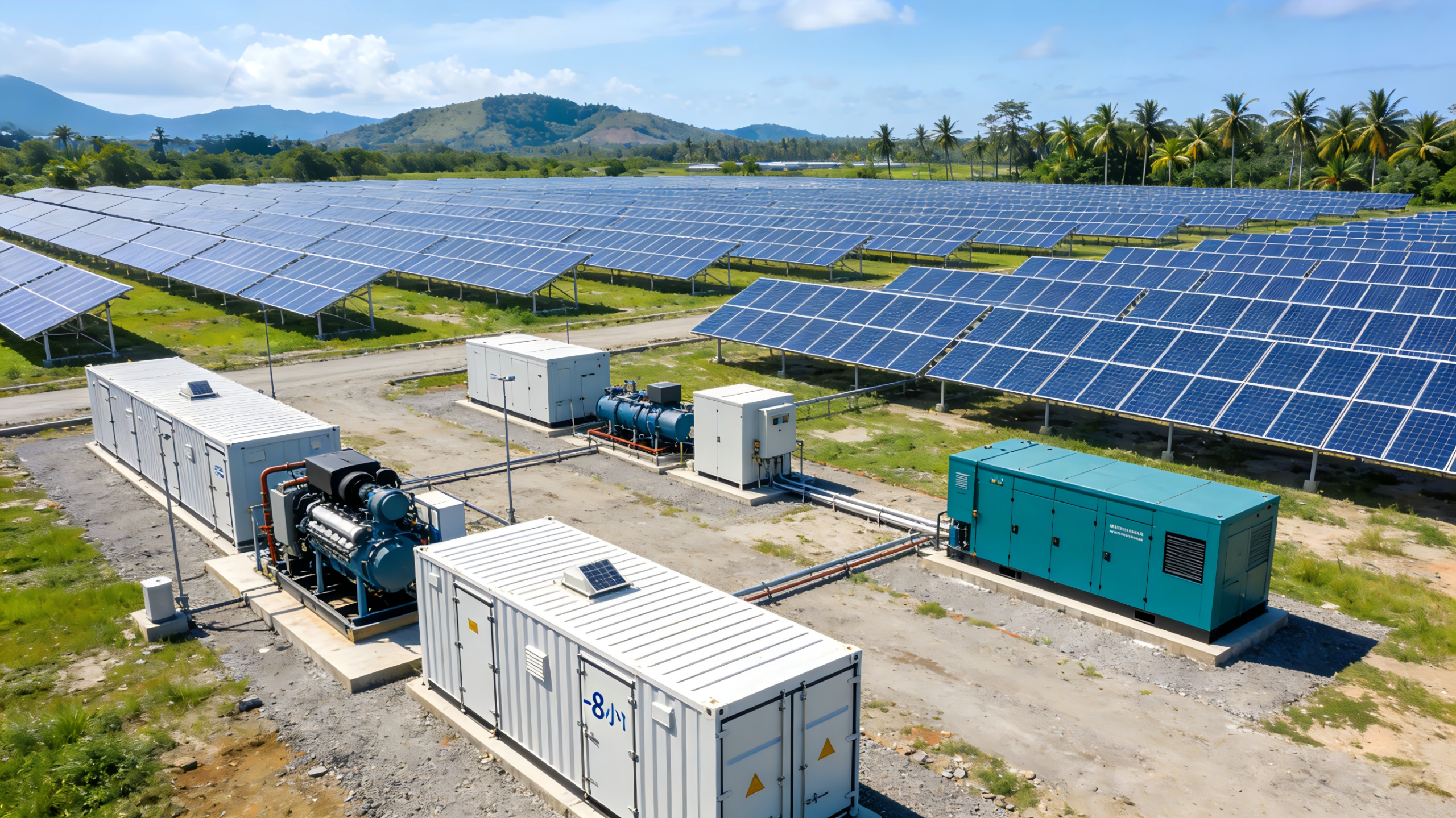
Solution: ground solar + medium and large capacity energy storage (4 – 8 hours) + intelligent integration of diesel and storage.
– During the day: solar power supply + charging – At night/During power outages: Storage prioritizes discharging, and only starts the diesel generator when the power is insufficient.
Scene 3: Industrial Park Microgrid
Pain point: unreliable grid, independent energy system is required.
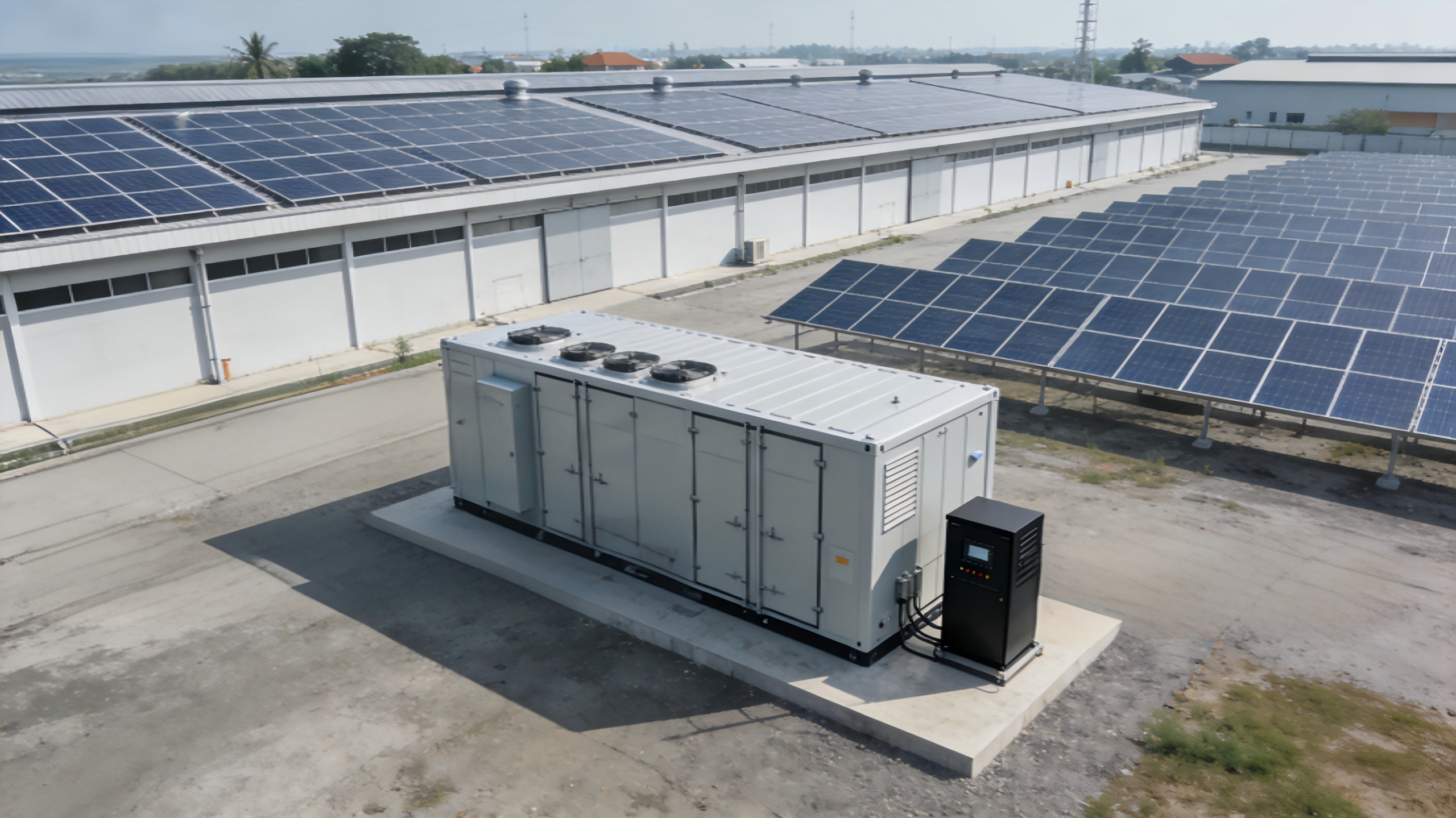
Solution: solar + large-capacity LFP energy storage (6 – 12 hours) + Black Start Capability.
– The proportion of renewable energy-generated electricity in the total electricity consumption of the industrial park is over 95% (calculated annually).
– Support off-grid operation, with self-recovery ability after grid collapse.
– Complies with the green industrial park policy of Indonesia, eligible for low-interest loans.
Black start capability details:
“The system has independent black start capability, relying on LFP energy storage batteries with a capacity of 100 kWh or more. It can start the solar inverter and key loads within 30 seconds after the power grid collapses. The black start success rate is ≥ 99%. At the same time, it is also supported to be linked with the diesel generators within the park. When the energy storage capacity is lower than 20%, it automatically starts the diesel generator to replenish power, ensuring continuous power supply without interruption.”
Is Your Factory Suitable For Installing A Solar + Energy Storage System?
Please provide the following information and we will provide you with an exclusive feasibility report within 48 hours:
1.Your city/industrial park:
2.Annual electricity consumption (kWh or MWh):
3.Main production time period (such as 8:00 – 20:00):
🔥Self-testing
1. Policy and Compliance Compatibility (satisfying any one item is sufficient)
Located in the outer islands (Bali/Sulawesi Island), you can enjoy the highest subsidy of RUPL.According to the RUPL (Renewable Energy Power Generation Project Subsidy Policy) of Indonesia, industrial users on remote islands (such as Sulawesi Island and some areas of Bali) who install solar + energy storage systems can apply for a maximum initial investment subsidy of 25%, with the subsidy period being 5 years. The application must meet conditions such as project installed capacity ≥ 100kW and renewable energy proportion ≥ 50%; In addition, for export-oriented enterprises that need to provide ESG reports, an additional 10% green technology subsidy can be applied for (which must be certified by the Indonesian Ministry of Environment).
Annual electricity bill exceeds 1 billion Indonesian rupiah (significant income from peak and valley arbitrage).
There is export demand in Europe and the United States, which needs ESG report support.
The GMP audit is planned to be completed by 2027.
2. Power supply pain point self-test (satisfying more than 2 items for priority adaptation)
- ≥ 3 power outages (including instantaneous power outages) in the past 1 year.
- Core equipment (cold chain/fermenter/quality inspection instrument) requires 24h power supply.
- Located outside Java Island The end of the power grid (such as Papua industrial area).
- There have been more than 2 power outages due to line faults during the rainy season.
3. Site condition self-test (basic threshold)
- Roof area ≥ 700 square meters (or idle vacant land ≥ 1000 square meters), with a load-bearing capacity of ≥ 28kg/m2.
- The roof is unobstructed, with no inclination requirements near the equator (vertical solar radiation angle).
- Grid connection capacity ≥ 350kVA (PLN can assist in capacity expansion).
4. Self-test of economic feasibility
- The remaining operating life of the factory is ≥ 12 years (covering the return on capital + profit period).
- The initial certification costs can be borne (or financing is required, connecting to the green loan of Indonesia Mandiri Bank).
🚫 Nnsuitable Scenarios (to avoid wasting time)
- The factory is located in the core area of Java’s main network (stable power grid, less subsidies, and return period > 7 years).
- The roof is a tin tile and has been used for more than 10 years (load-bearing less than 25kg/m2, reinforcement cost exceeds 15% of the total investment).
- Annual electricity consumption < 1 million kWh (SNI certification cost for small-scale projects is too high).
Why Choose HELIST?
HELIST has been deeply engaged in the field of new energy for nearly 20 years, possessing over 50 patents related to photovoltaics and energy storage, as well as a 20-strong R&D team. HELIST focuses on providing practical photovoltaics and energy storage technology solutions for EPC companies, developers, and factory owners in Southeast Asia.
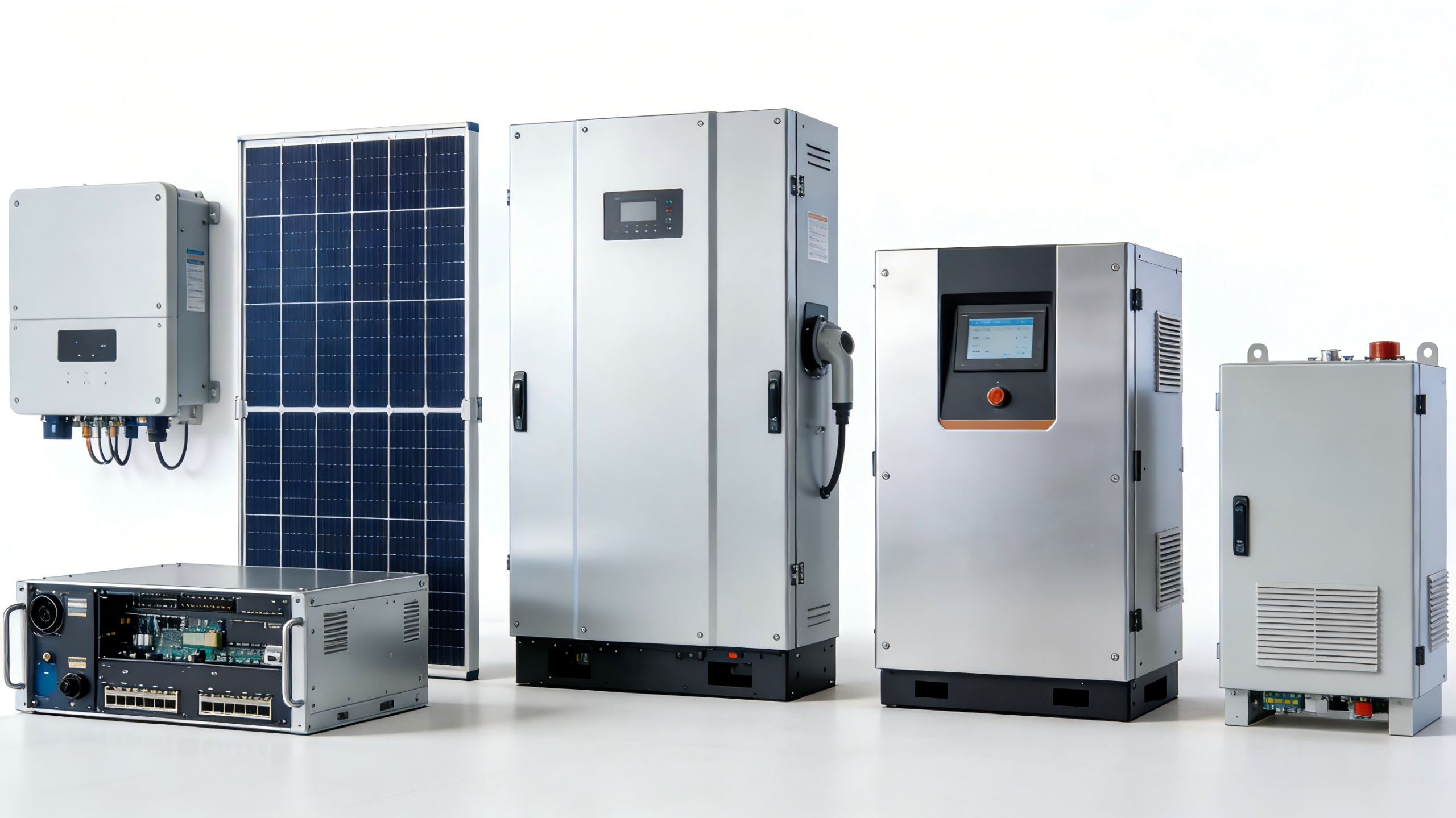
1. Complete solar storage system product portfolio
Integrate core equipment such as highly reliable solar modules, inverters, LFP energy storage, and PCS. These devices are uniformly scheduled and integrated by our self-developed EMS to ensure efficient and coordinated operation of the system.
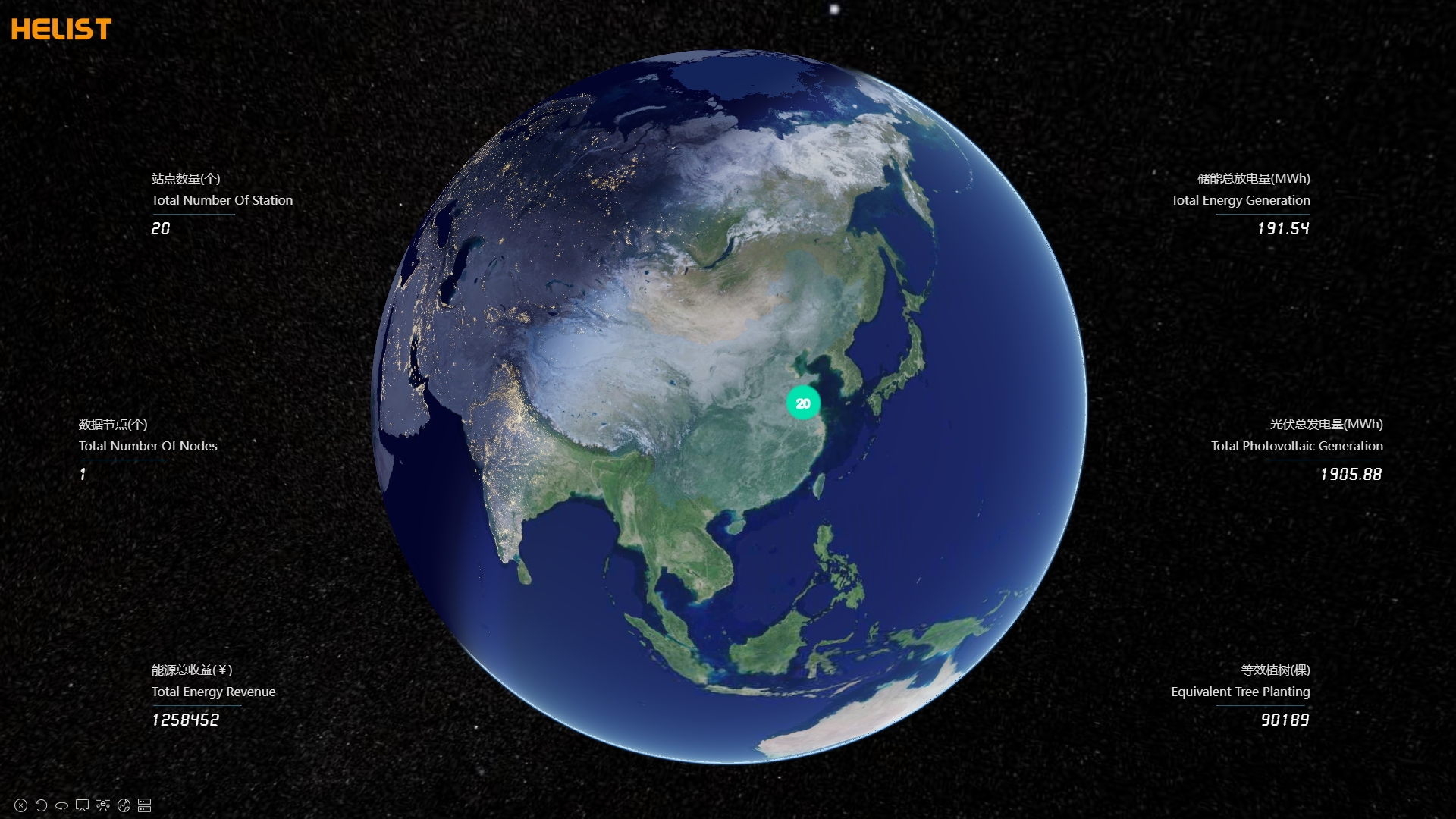
2. Configurable intelligent EMS platform
Supports electricity pricing strategies in multiple countries such as Vietnam’s TOU, Thailand’s BOI, Malaysia’s AFA, and the Philippines’ microgrids, and provides tracking of green power production and energy efficiency visualization, helping to achieve ESG goals.
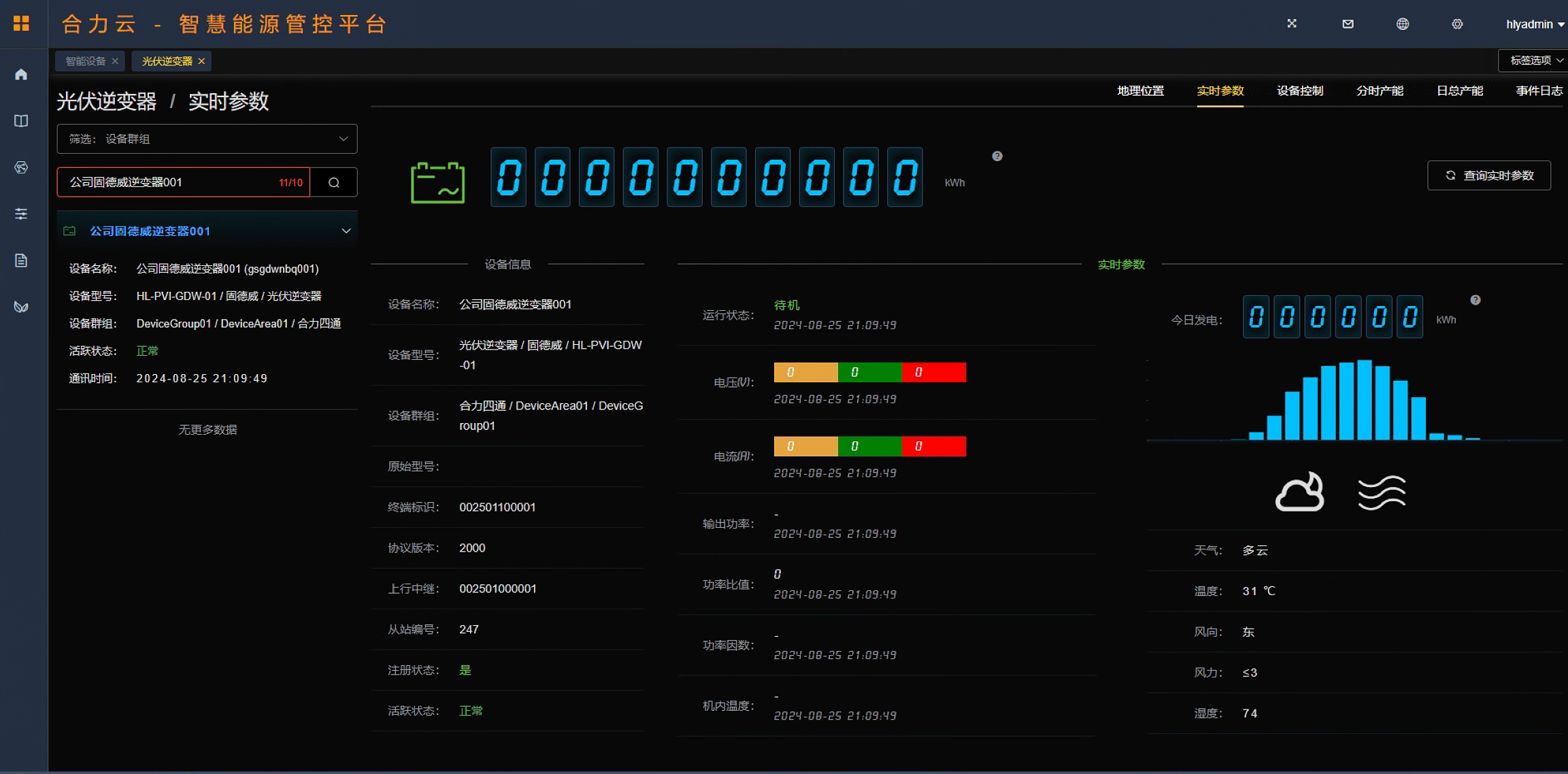
3.Full-process technology empowerment
Provide scheme design, electrical drawings, installation guidance, system debugging and operation training, reducing the local integration threshold.
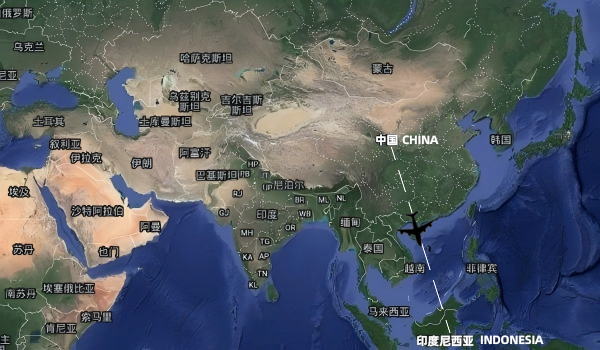
4. Efficient response mechanism
The China headquarters is only a 2-4 hour flight away from Southeast Asia and offers 7×12 remote technical support. In case of emergency, on-site assistance can be provided within 48 hours, ensuring the smooth delivery of the project.
Facing high electricity costs, frequent power outages and reliance on diesel, photovoltaic + energy storage has become the most optimal solution for Indonesian manufacturing enterprises to reduce costs, ensure supply and reduce carbon emissions.
HELIST, based on a deep understanding of the Indonesian power system, provides truly implementable, sustainable and profitable new energy solutions.Whether you are an electronics factory, textile factory, food processing plant or mining enterprise, we will tailor the best path for you to help you easily move towards green manufacturing.
Internal Link Suggestions
Flagship guide page:
→ [Back to South East Asia Industrial and Commercial Solar + Energy Storage Solutions Guide]
Other country pages:
→ [Explore Vietnam’s Industrial and Commercial Energy Storage System]
→ [Learn about the Thailand Optical Storage Integration Solution]
→ [Learn about the Philippine Optical Storage and Firewood Hybrid Microgrid Scheme]